History of Seafarer Rights & Why Should We Celebrate Labour Day for Seafarers?

History of the International Labour Organization for the Shipping Industry

Shipping has a long history of multinational crewing. One hundred years ago, maritime unions, shipowners, and government representatives sat down to discuss the first moves to regulate this globalized workforce.  They recognize that seafarers would be most effectively protected by a uniform law.

After the first World War, there was a strong desire to build a better world. The International Labour Organization (ILO) was formed as part of the Versailles peace treaty. The ILO sought to set global standards for working conditions.

However, there was a recognition that the shipping industry was a special case deserving of special treatment. The ILO decided to devote the whole of its second conference in the following year to maritime matters. The most notable questions about the implementation at sea were the eight-hour day and 48-hour week. It has been adopted as the standard for industry ashore.

The commission’s final draft reached broad agreement on:

  • – 48-hour weeks for all except for masters, supervising officers, wireless operators, and cattlemen (the draft had foreseen 56-hour weeks at sea and 48 hours in port)
  • – A three-watch system for vessels over 2,000 tons (draft 2,500 tons)
  • – Maximum overtime of 14 hours per week or 60 hours per month to be compensated in pay or time off
  • – 45-hour weeks for ratings in port, with Saturday limited to five hours

All of these conventions ultimately found their way into the Maritime Labour Convention (MLC) of 2006. MLC 2006 united the provisions of 36 ILO conventions and one protocol adopted between 1920 and 1996.

What Is the Maritime Labour Convention and How Did It Benefit Our Seafarers?

The Maritime Labour Convention (MLC) entered into force on 20th August 2013. It aims to achieve decent work for seafarers and to secure economic interests through fair competition for quality ship owners.

The convention consists of the sixteen articles containing general provisions as well as the Code. The Code consists of five Titles in which specific provisions are grouped by standard (or in Title 5: mode of enforcement):

  • – Title 1: Minimum requirements for seafarers to work on a ship
  • – Title 2: Conditions of employment
  • – Title 3: Accommodation, recreational facilities, food and catering
  • – Title 4: Health protection, medical care, welfare, and social security protection
  • – Title 5: Compliance and enforcement

The Maritime Labour Convention provides a comprehensive set of basic maritime labour principles. This ensures all seafarers secure their basic employment rights. The working environment and living conditions have largely improved. They are able to make their opinions known to the shipowner. At the same time, the shipowner has a clear identification of his/her overall responsibility.

The Importance Of Maintaining An Offshore Vessel

Maintaining your offshore assets’ engines and mechanical systems ensures your vessel functions efficiently.

The Vessel Classification Society establishes and maintains technical standards for the construction and operation of ships and offshore structures. They conduct regular surveys and inspections to ensure the smooth operation of the Vessel. Engineers are on board to ensure that there are annual inspections of the vessel, with a full survey undertaken every 4 to 5 years. The port authority checked on the mechanical condition of the ship.

Be it cruise vessels or offshore assets, the maintenance schedule needs to be planned well by the owners to allow the maintenance society to undertake the repair work as and when needed.

How Is Maintenance Work Done Onboarding a Vessel?

In the earlier days, the number of crew members and engineers on a ship was large. Thus, the maintenance was carried out fast and easily. However, in the present scenario, the number of crew members and engineers on the ship has reduced drastically.

Many ships carry only 3-4 engineers onboard a ship. The time required to carry out maintenance on the ship has reduced as well. The number of crew members is lesser, and the amount of machinery is more.  Thus, maintenance requires more manpower and time.

Types of Ship Maintenance

Efficient planning and proper use of the equipment is the key to maintaining a ship. There are different types of procedures undertaken by the engineers on board and on the port.

1. Scheduled maintenance:

This is a precautionary measure to avoid probable damages and to adopt necessary precaution measures. It is also known as the Planned Maintenance System. A team from the maintenance company will schedule servicing of the vessel as per the running hours like 4000 hours or more. The provider will send representatives after proper intervals to continue the servicing in a consistent manner. In such a maintenance program, the parts must be changed that are mentioned in the schedule even if they are fully functional.

2. Corrective maintenance:

Sudden breakdowns can be dangerous and unfortunate. Corrective maintenance is dedicated to preventing emergencies. This program can become costly especially if the breakdown severely impacts other parts of the ship. It is thus necessary to ensure that regular inspection is conducted.

3. Conditional Maintenance:

Machinery parts should be inspected on a regular basis to detect the underlying defects and errors. Issues need to be corrected as soon as possible to restore the ship’s functional capability.

The condition of a machine can be accurately checked by using powerful sensors. Inspection reports need to be sincerely followed by experienced specialists. If wrong interpretation might occur, it will lead to acute machinery damage.

Final Takeaway

  • 1) Maintaining your offshore assets’ engines and mechanical systems ensures your vessel functions efficiently.
  • 2) More manpower is needed for offshore maintenance jobs as crews working onboard have been reduced.
  • 3) Schedule maintenance is a precautionary measure to adopt necessary precaution measures.
  • 4) Corrective maintenance is dedicated to preventing emergencies.
  • 5) Conditional inspection reports need to be sincerely followed by experienced specialists.

5 Future Predictions Of The Offshore Industry And Why Is It Better For The Environment?

1) The Lines Between Fossil And Renewable Energy Will Be Blurred

Today, nearly every product a consumer buys has a fossil fuel somewhere in how it is made or delivered. Coal requires little technology and offers a great deal of energy. As such, it is a stubborn and persistent part of the high-CO2 energy system. Dealing with it will take determined action by governments to provide competitive alternatives.

In recent years, better renewable electricity has been generated efficiently. Rapid progress with renewable electricity technologies has made the price affordable. This leads Energy Experts to look at renewable energy as being the future of our energy resources.

In this way, we can free fossil fuels and coal to produce more sophisticated carbon products. Hydrocarbons and polymers can make it a feedstock rather than a fuel.

2) “Smart Oilfield” Technology

Digital oilfield technologies replicate an oilfield’s performance on a computer. Engineers can gather and monitor production through a tablet or mobile device.

At the end of the day, this data provides key indicators of oilfield well-being and performance. In this way, it improves and simplifies accurate decision-making.

With gas demand set to persist until at least 2050, there will be increased costs and activity on older pipeline systems all around the world. In North America, pipeline systems continue to be repurposed and undergo change of service due to shifts in where gas is produced and consumed, and LNG exports being allowed.

From a technology standpoint, the ideal solution would need to seamlessly connect all systems and hardware platforms across the various fields of operation, integrating exploration, drilling and production facilities, and ultimately delivering useful data and video streams to a central location, allowing the operators to make better and quicker decisions.

3) The challenge of rig decommissioning

The offshore oil and gas sector took off 50 years ago. The largest oil rigs may extend hundreds of feet to the bottom of the seabed and be supporting multiple platforms full of technical equipment and accommodation for workers.  Thousands of huge bulky structures such as offshore rigs, platforms, and pipelines are nearing the end of their current useful life.

One of the biggest challenges facing oil and gas companies is the cost of decommissioning aging rigs around the world. The cost will reach $13bn a year by 2040.

More than 600 rigs will be decommissioned by 2021. Sinking the rigs is not feasible.  Oil companies need to come up with environmentally friendly ways of decommissioning rigs or face a potentially huge backlash from increasingly environmentally conscious consumers.

As of January 2018, the North Sea was home to 184 offshore rigs, while the Golf of Mexico had 175 and the Persian Gulf housed 159.

4) Digital transformation offshore

Since the Industrial Revolution, the Oil & Gas industry has played a pivotal role in the economic transformation of the world. It fuels the need for heat, light, and mobility of the world’s population. Today the oil and gas industry is able to redefine its boundaries through digitalization.

Asset owners increasingly see the benefit of gathering data to improve operations. They are looking for ways to own both the data they generate and the technology that enables them to manage maintenance programs.  Digital technology such as real-time monitoring, accurate reporting for compliance purposes, integration of Wi-Fi, and location-based technologies are examples of this trend.

More oil and gas companies are taking steps to capture and learn from smart data to make their operations smarter and reduce costs. Largest fleet owners are expected to be the most aggressive in leading this development.

5) Enabling greater use of stranded offshore gas

The stranded gas reserve is a natural gas field that has been discovered but the gas fields are too deep to drill into.

Offshore gas producers face significant challenges in some of the world’s largest natural gas resources. They are found at great distances from the biggest gas markets and without access to export infrastructure routes.

Substantial growth in FLNG technology can offer a solution to unlock the development of stranded offshore gas assets. Production can be exported by LNG carriers rather than uneconomic pipelines.

In some locations, companies may prefer to send LNG direct to the final market’s entry point rather than processing gas onshore.

ASOM SPS Case Study: SPS Deck Reinstatement

What Is SPS Overlay?

SPS (Sandwich Plate System) is a structural composite material comprising two metal plates bonded with a solid polyurethane elastomer core.

The SPS layout retains the existing steel plate and reinforces it with a new steel layer and a polyurethane core. This will result in a stronger and flatter surface. SPS repairs and strengthening can be undertaken while the vessel is still in service. Choosing SPS can eliminate the need to wait for an offshore shutdown period.

ASOM SPS Case Study: SPS Reinstatement of FPSO’s Pontoon Deck

Our operations manager Mr. Rajesh Pillai had led our structure team and injection team to complete the project successfully during the COVID-19 pandemic. We have a tight-knitted team who will ensure we complete the project in a short and efficient time frame.

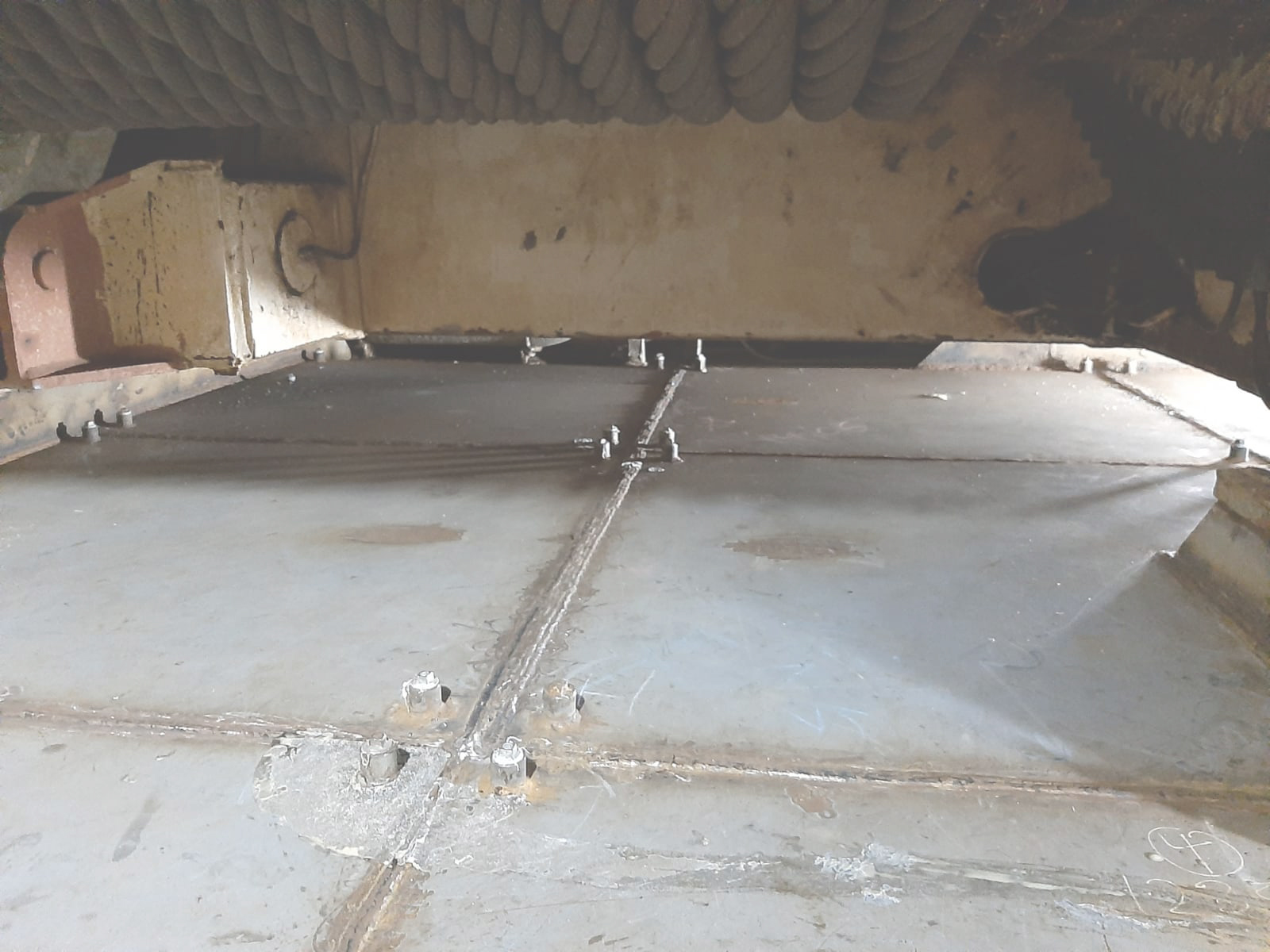
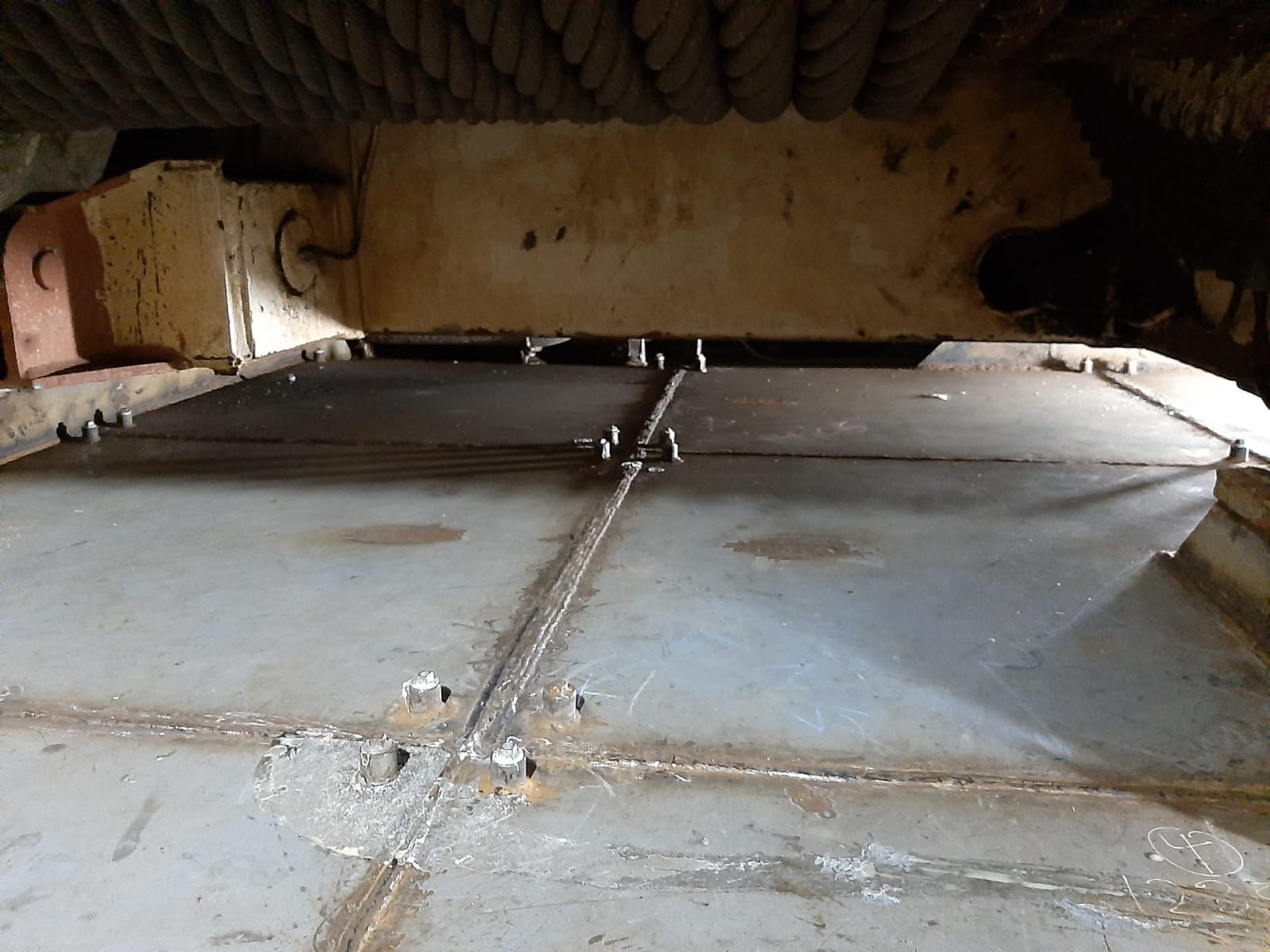
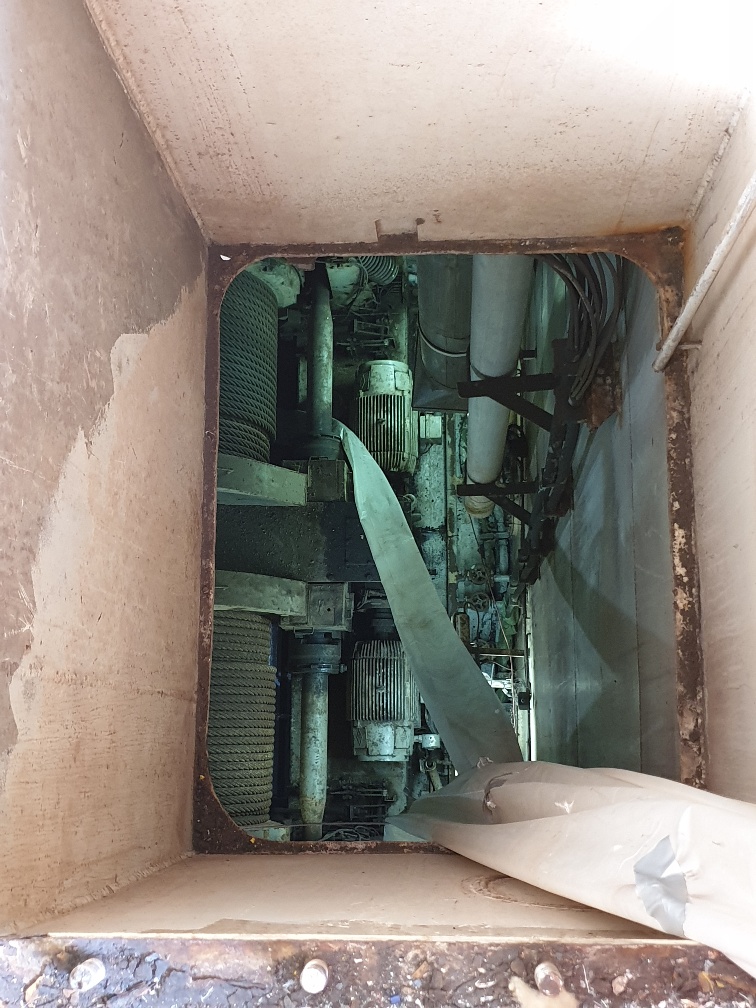
Working in a limited headspace of less than 300mm, our team have taken extra precautions and time to ensure the injection process is carried out safely and efficiently for our client.

The SPS deck reinstatement was substantially quicker than an equivalent conventional steel repair.

SPS Layout: Able to adapt to all working conditions.

Due to the confined work location, our Elastomer injection machine was to be placed 18m away.

We worked out a detailed plan to reduce all the space restrictions with our SPS Technician, Khun. After much planning, SPS elastomer core was injected to fully reinstate the strength and integrity of the structure.

Offshore Service – Magnetic Particle Inspection

What is Magnetic Particle Inspection?

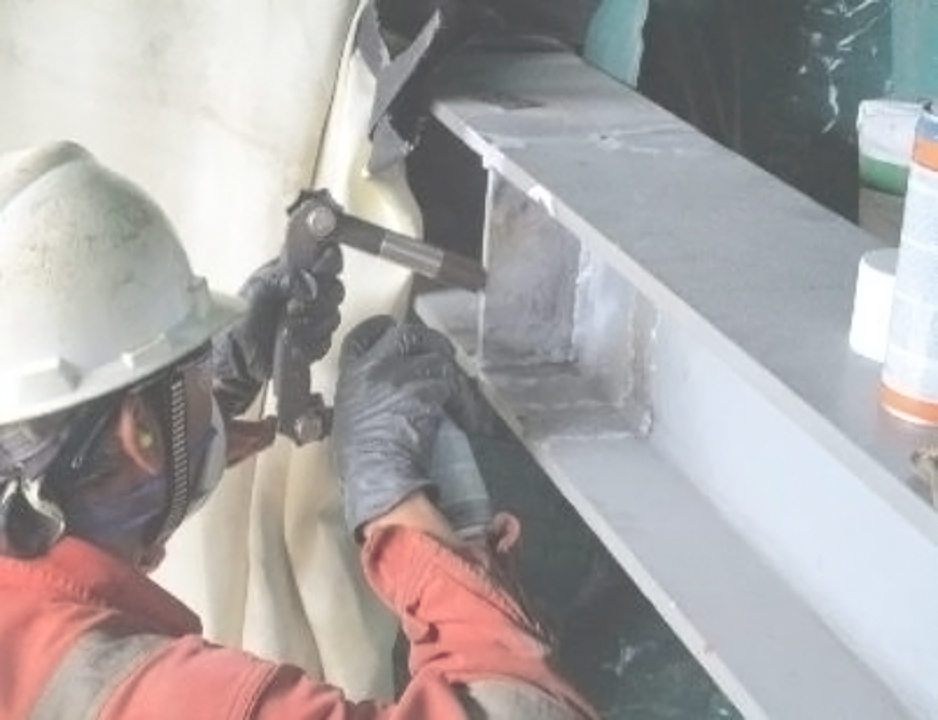
It is a non-destructive testing (NDT) process to detect surface crack line in ferromagnetic materials.

Ferromagnetic materials such as iron can be found on the pipeline system in vessels. The pipeline system help to supply and distribute liquids and gases to different parts of a vessel.

One of the main advantages of magnetic particle inspection is that it can give an immediate indication of defects and discontinuities.

What caused pipes to crack?

Pipe age and material:

The older the pipe is, the higher the risk of cracks will be. For instance, water lines that are installed before 1980 tend to be made from cast iron. Although durable, cast iron can become brittle and crack due to constant expansion and contraction. New water pipes tend to be made of more resistant materials, such as plastic or ductile iron.

Pressure changes:

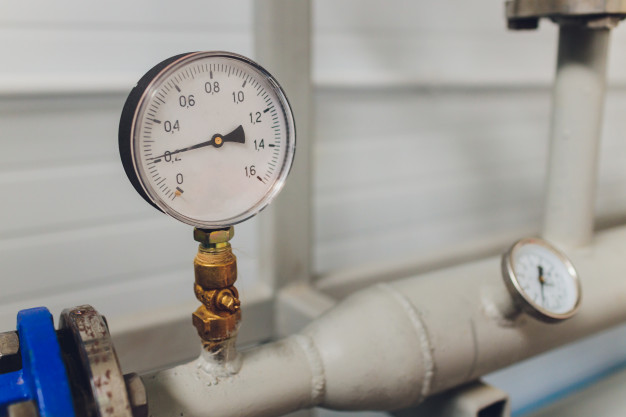
The pressure levels inside a water pipe can change due to several reasons. Temperature changes, or thermal expansion, are one of the most common causes. As the ground surrounding the pipe freezes and thaws, the pipes contract and expand, often resulting in cracks.

Corrosive soils:

Pipes made from iron and other metals can break over time if installed in acidic and corrosive environments. This happens most often in pipes that don’t have appropriate corrosion protection, such as polyethylene encasement for ductile iron pipes.

How Magnetic Particle Inspection Is Important To Offshore Maintenance?

Any crack in the water tank can also lead to engine room flooding.

The leak can also take place from any of the fresh or seawater pipelines due to which a lot of water can enter the engine room space, which will be a disastrous event.

How To Conduct Magnetic Particle Inspection In Four Steps?

  • 1) Induce a magnetic field in the specimen
  • 2) Apply magnetic particles to the specimen’s surface
  • 3) View the surface, looking for particle groupings that are caused by defects
  • 4) Demagnetize and clean the specimen

SPS Project – Low Heat Input Solution

MODEC Inc. requests our service to apply SPS Overlay to their Main Deck and Superstructure Decks plating on FPSO.


We proposed a “low-heat-input” SPS Overlay, which will allow a safe and unhindered repair to be undertaken. This method will allow the FPSO to remain on-site and continue operation while repairs are completed.

SPS Overlay Installation Process – Suit Different Demanding Applications


As a steel-elastomer-steel composite, it typically reinstates a structure beyond its original strength. The SPS Overlay installation process will evolve accordingly to suit different demanding applications. A reduced heat SPS installation method is used where fuel oil tanks must be protected from heat input during the repair. This method involves the use of non-direct welding, adhesives, and stud welded perimeter bars.

What is our proposed SPS solution for MODEC?


We applied a reduced heat input method to reinstate steel in various areas on decks B, C, D, the top of the wheelhouse, and the upper deck. Structural adhesives are used to fix perimeter bars to the deck. New top plates (6-8mm thick) are welded to the bars to form air-tight cavities. Lastly, a 25-mm elastomer core was injected.

“We proposed an SPS low heat solution for a safe, rapid repair,”

Reagan Lim, Project Manager, ASOM.

What Is Energy And How Renewable Energy Will Become Prominent In The Future?

What is Energy?

The First Law of Thermodynamics states that energy cannot be created or destroyed. It can, be transferred from one location to another and converted to and from other forms of energy.

The sun is the source of all the energy available on Earth. Energy is essential to life and all living organisms. Our energy decisions impact Earth’s natural systems in ways we may not be aware of. Thus, it is essential that we choose our energy sources carefully. Everything that occurs happens because energy is changed from one form to another. We depend on energy to run our homes and businesses.

In this time of global market uncertainty, one thing we do know is that the world still needs energy.

History of Energy

In the 1700s, human harvest biomass (wood, peat, and animal dung) for heating and cooking.

The rise of the Industrial Revolution created an increased demand for biomass energy. This lead to more trees cutting down more rapidly than they could be grown. An energy crisis occurred in the 18th century. In response, Europeans began using coal as a primary energy source.

The process of industrialization was propelled by many technological inventions. One of them the invention of the steam engine.

When did Oil become so important?

The oil industry began in 1859 with the discovery of the world’s first commercially viable oil well in the USA.

It came at a time when emerging technology created new products from oil. One product, kerosene, became popular as a cheap, clean fuel for lighting homes.

America’s first commercial oil well was created at Titusville, Pennsylvania. A new technique was pioneered using a pipeline to line the boreholes to allow deeper drilling. The success of the oil well, plus a demand for kerosene, triggered an oil rush and began a major new industry.

How Our Reliance On Oil Affects The Environment?

Oil production is among the main culprits of air pollution. When fossil fuels are burned by power plants, they generate toxic gases. This will cause respiratory problems such as asthma and cardiovascular diseases.

More greenhouse gases will be released into the atmosphere. Greenhouse emissions have been trapping unwanted solar heat, which causes temperatures to rise. Wildfire seasons are longer, hurricanes are stronger and heatwaves are harsher.

What Is Renewable Energy And How They Propel Our Future?

A renewable energy source means sustainable energy. It is made from resources that nature will replace, like wind, water, and sunshine.

It comes from sources that are replenished naturally, such as the sun and wind.

Types of renewable energy sources

1) Wind Energy

Wind energy is obtained from the force of the wind. It transforms the kinetic energy of air currents into electrical energy. It is extracted with the rotor, which transforms the kinetic energy into mechanical energy. The generator transforms this mechanical energy into electrical energy.

Harnessing the wind as a source of energy started more than 7000 years ago. Currently, China, U.S., and Germany are the leading wind energy producers.

2) Solar

Solar energy is the ultimate source responsible for our energy sources on Earth.  The amount of sunlight that strikes the earth’s surface in an hour is about 173,000 terawatts of solar energy.

When sunlight hits a solar panel, it reacts with silicon crystals in each solar panel to produce an electric current. It creates electrical charges that move in response to an internal electric field in the cell, causing electricity to flow.

From home rooftops to utility-scale farms, solar power is reshaping energy markets around the world.

3) Biomass

Our ancestors have been using biomass energy (energy from living things) since the beginning of time. One example is to use wood fires for cooking or keeping warm. It is renewable organic material that comes from plants and animals.

Biomass is direct combustion, which burns agricultural waste or wood to heat water. This produces steam, which spins turbines.

Like solar power, biomass is a flexible energy source, it is able to fuel vehicles, heat buildings, and produce electricity.

4) Geothermal

Geothermal energy is derived from the Earth’s internal heat. It comes from the heat generated during the original formation of the planet and the radioactive decay of materials. This thermal energy is stored in rocks and fluids in the center of the earth.

On a large scale, underground reservoirs of steam and hot water can be tapped through wells that can go a mile deep or more to generate electricity.

How renewable energy benefit us in the future?

It is now absolutely vital that we optimize our use of sustainable and renewable energy sources. We have to address the problems of global warming, health effects and sustainability of fossil fuel dependency. Thankfully, solar power is becoming cheaper, and many countries have opted to invest in installing solar panels, as well as other forms of renewable energy.

1) Improved public health

Human activity is overloading our atmosphere with greenhouse emissions.


These gases act like a blanket, trapping heat. This results in a web of significant and harmful impacts such as stronger storms, drought, sea-level rise, to animal extinction.

With renewables energy like solar panels and wind turbines, it generates no emissions and no air pollution. 

2) Fewer floods and droughts will occur. 

Due to the sheer amount of water that is required annually to power the plants that burn fossil fuels, droughts are becoming far more likely. Climate change is also causing floods, which damages thousands of homes every year, rendering people homeless and even causing fatalities.

One example is Hydropower plants. They can be used to regulate and reduce the risk of flooding.

3) Steady source of revenue

Solar power and wind energy investment are rising steadily in the wake of Coronavirus. Wind farms and solar panels are low-risk and reliable things to invest in. Experts are referring to wind farms as havens in the storm that is COVID-19.

Customers prefer to purchase from environmentally responsible companies. Partners and investors are interested in firms that meet certain sustainability criteria. Investing in renewables also shows investors that your company is forward-thinking.

Final Takeaway

  • 1) The First Law of Thermodynamics states that energy cannot be created or destroyed.
  • 2) The success of the oil well, plus a demand for kerosene, triggered an oil rush and began the oil industry.
  • 3) Greenhouse emissions have been trapping unwanted solar heat, which causes temperatures to rise.
  • 4) Renewable energy comes from our natural resources such as wind, water, and sunshine.
  • 5) With renewables energy like solar panels and wind turbines, it generates no emissions and no air pollution. 
  • 6) Customers prefer to purchase from environmentally responsible companies.

What Is SPS No Hot Work Structural Repair?

Whilst the size of this no hot work project is a milestone for SPS, the use of a “no hot work” method to install this permanent structural composite has a 15-year pedigree.  It was first used onboard the FPSO Independence (ConocoPhilips) in 2003 when a 3m² area of bottom shell in a cargo oil tank was reinstated.  Without hot work, there was no need for a shutdown and the vessel could remain on station with full operational capacity.  

A no hot work solution is applicable to plates or pipes in areas exposed to volatile chemicals or compounds and involves the use of structural adhesives and bolts to fix perimeter bars and top plates to the existing structure to form cavities.  It is into these cavities that the elastomer core is injected which bonds to the top and bottom faceplates providing greater strength than the original structure.  Post elastomer injection, the perimeter bars are structurally unnecessary.  Cavities are sized according to the existing structure, typically these are 9m² but in principle, there is no size limit.

As a steel-elastomer-steel composite, which typically reinstates a structure beyond its original strength, SPS, has many uses and with the identification of different demanding applications so the installation process evolved. A low heat SPS installation method is used where services, insulation, paint systems, and fuel oil tanks must be protected from heat input during repair and involves the use of non-direct welding, adhesives, and/or stud welded perimeter bars.  It was first introduced in 2006, where the inner hull plating and longitudinals in the passageways were reinstated on board an LNG carrier.  559m² of SPS was installed and it was vital that the membrane installation system was not affected.  Over 55 low heat and no hot work projects have been completed so far-ranging in size from 1- 825m² and over 10,000m² of SPS has been installed using these methods. 

“No hot work SPS repairs is not a new solution.  We’ve been executing such projects for over 15years.  Tailor-making solutions to meet our clients’ needs is what we do.  Adopted widely in the offshore industry, these no hot work and low heat solutions for SPS are now gaining acceptance by the cruise industry where disturbance to below deck services and cable runs is avoided where possible.  Our design team provides an SPS solution tailored to operational requirements, schedule, and budgets.”

Jonny Lim, Director, SPS Asia

Over the past 20 years, £20m+ has been invested in developing the patented SPS technology including an extensive and rigorous program of tests.

What Would Happen If Fossil Fuels Run Out One Day And How Would We Adapt?

How are we using Fossil Fuels?

Fossil fuels power our industries. It creates modern global transportation. Manufacturing industries harness it to reach the market demands for products and goods.

However, burning carbon-based fuels produces large amounts of carbon dioxide. This results in the greenhouse effect, which drives climate change.

What type of scenario will happen if we run out of Fossil fuels one day?

1) Electrical Failure

Electricity is created by Fossil Fuels in the Power generators. If fossil fuels run out one day, electricity failure will happen.

This will produce an undesirable occurrence in hospitals in low-to-middle income countries. When fossil fuels are not available, surgeries will be affected halfway. Ventilators and a lot of medical treatment machines will stop working. Patients will be in critical conditions throughout the hospital.

2) Global Transportation

Global Transportation is the reason that humans are able to survive through covid-19. Without fossil fuel, essential items such as masks and PPE are unable to reach to other countries in time.


Large-scale international trade would shut down. Commuter transportation could transit to electric rail or electric cars quickly. Let’s face the inevitable news. For container ships, renewable energy is unable to power them across the world.

Most large cargo vessels are powered by bunker fuel. It is also known as Heavy Fuel Oil, which contains higher Sulphur levels than diesel.

3) Food chain logistics will be disrupt

Without global transportation, food chain logistics will be badly affected. Restaurants will be the first industry to shut down in batches.


Sushi restaurants will find it hard to import fresh salmon from Japan without global transportation.


Food production would have to be local. Electricity shortages might make refrigerators too expensive to run. Big cities would lose their living appeal. People will move out in droves to rural areas to live closer to food sources.

4) Economy will grind to a halt

International trade would grind to a halt. The global economy will be constrained to a semi-local condition as there will be no more fuel to move products around. Foreign goods would become expensive. National economies that depend on international trade would sink into a deep economic depression.

However, it doesn’t look too bad.

Covid-19 has shown us that humans are adaptative to our surroundings. We will move forward as a new agrarian society, with advanced technological skills and a cleaner environment.

Fortunately, the world is searching for various ways to use clean energy

Right now, we are seeking out renewables energy, such as wind, solar, hydro, and biomass.

More than 80% of new electricity generating projects built last year were renewable. It has led to a 10.3% rise in total installed zero-carbon electricity generation globally.

How The Future Is Going To Look Like For The FPSO Industry?

What is FPSO?

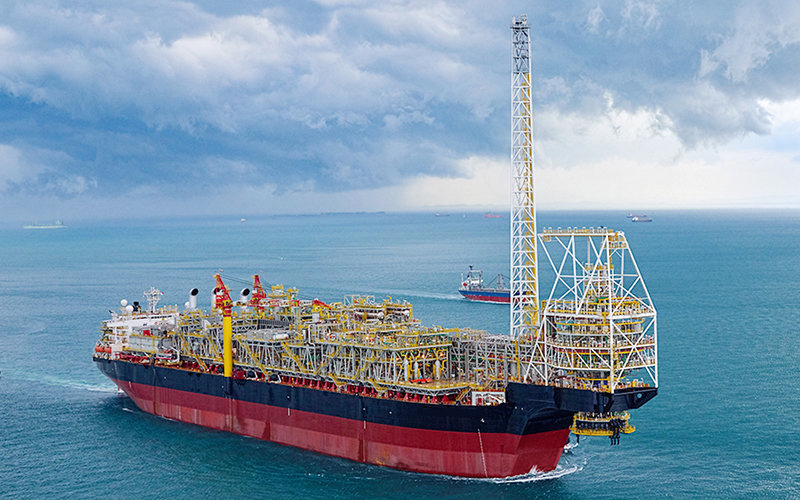
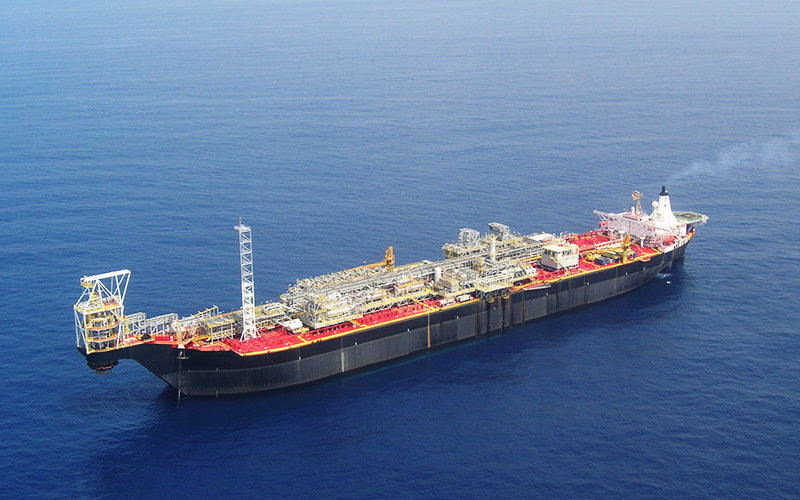
FPSOs (Floating Platform Storage & Offloading) is a floating vessel. They act as a mobile offshore production and storage facility for produced hydrocarbons.

FPSOs can store a large amount of oil and gas, increasing the commercial viability of hard-to-reach fields. At the same time, they can navigate away from perilous weather conditions.

How does FPSOs look like?

Most FPSOs have processing equipment, or topsides, aboard the vessel’s deck. The produced Hydrocarbon are stored below in the double hull.

FPSOs Procedure

Step 1: Mooring

FPSOs are moored in place by various mooring systems tied to multiple subsea wells. FPSOs are able to rotate freely via a central mooring system. It allows FPSOs to withstand different types of weather conditions.


Step 2: Processing

Hydrocarbons are produced in subsea production wells, which are transported to the FPSO via flowlines and risers.

Step 3: Separation

The hydrocarbons are then separated into oil, gas, water, and impurities via the production facilities on the deck of the FPSO.

Step 4: Storage & Offloading

After processing, an FPSO stores oil in the double hull. They offload periodically to shuttle tankers via a loading hose.

What Is The Future Going To Look Like For The FPSO Industry?

Our reliance on oil is contributing to the emission of Greenhouse gases around the world. When fossil fuels are burned, they release large amounts of carbon dioxide. a greenhouse gas, into the air. Greenhouse gases trap heat in our atmosphere, causing global warming.

The reduction of greenhouse gases is one of the greatest challenges facing operators and service companies in the FPSO industry.

SBM Offshore Fast4ward programs focus on two main sources of greenhouse gas emissions from FPSO, which are energy generation and flaring. They include investigating a carbon capture and storage solution. The Liza Unity FPSO is the first vessel being built under Fast4Ward®, which will reduce cycle time to deliver energy.

At the same time, it is gear up with electrification technology to reduce emissions from the power generators. Digital solutions are applied to analyze data to increase its operational reliability.

SBM Offshore is undertaking a number of innovative approaches to reduce the carbon footprint of its fleet. Chairman and Chief Executive Officer (CEO), Bruno Chabas stated that the Company is looking at the possibilities of generating an FPSO with a gas recycling unit as well as linking an FPSO with a renewable source of energy. This could be in the form of wind or solar energy in order to generate power for the FPSO.

Natural Gas Is A Great Backup When The Sun Is Not Shining

Natural Gas produces less carbon than either coal or fuel oil and it has several key advantages. It can be used for heating, cooling, cooking, waste disposal, and transportation. It provides feedstock for chemicals, fertilizers, and pharmaceutical products.

Natural gas is useful when the wind isn’t blowing or the sun isn’t shining. They provide a potential complement to renewable energy.

In another word, Natural gas can provide low carbon backup at peak energy usage times instead of round-the-clock baseload. It might prove to be its greatest contribution from FPSO Industry.