SPS Project – Low Heat Input Solution

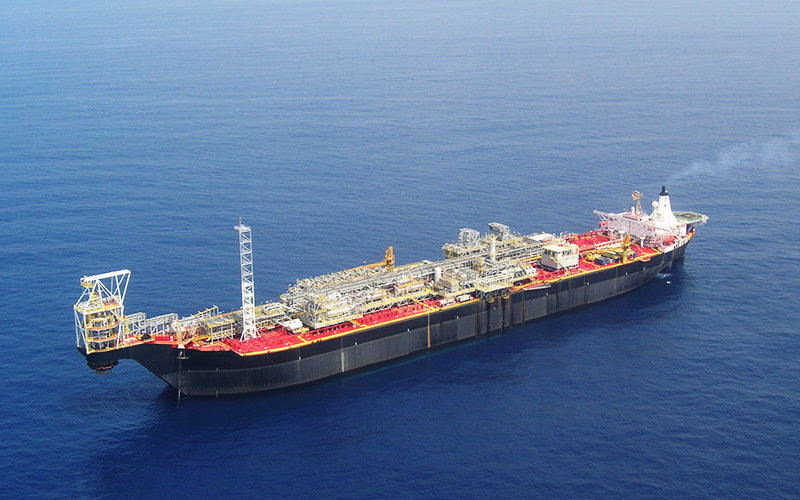
MODEC Inc. requests our service to apply SPS Overlay to their Main Deck and Superstructure Decks plating on FPSO.


We proposed a “low-heat-input” SPS Overlay, which will allow a safe and unhindered repair to be undertaken. This method will allow the FPSO to remain on-site and continue operation while repairs are completed.

SPS Overlay Installation Process – Suit Different Demanding Applications


As a steel-elastomer-steel composite, it typically reinstates a structure beyond its original strength. The SPS Overlay installation process will evolve accordingly to suit different demanding applications. A reduced heat SPS installation method is used where fuel oil tanks must be protected from heat input during the repair. This method involves the use of non-direct welding, adhesives, and stud welded perimeter bars.

What is our proposed SPS solution for MODEC?


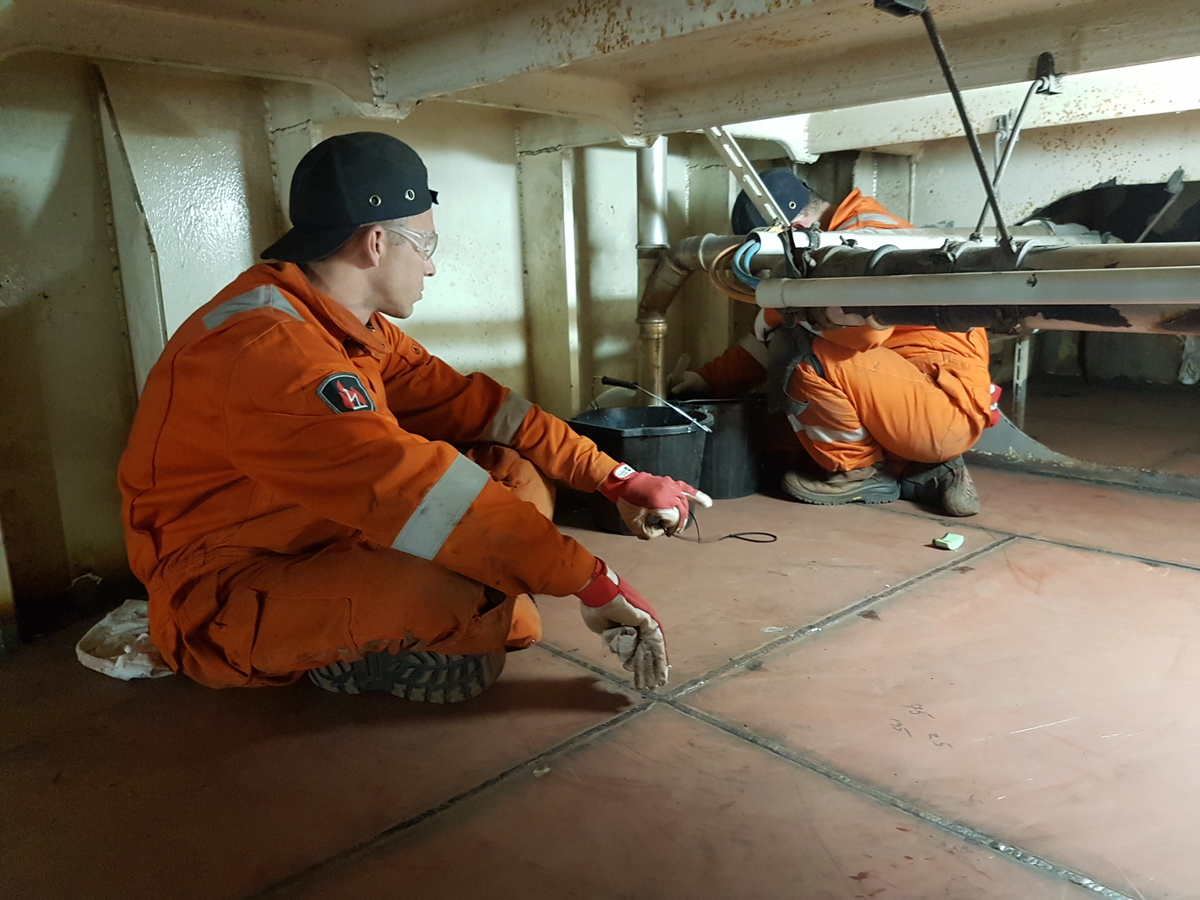
We applied a reduced heat input method to reinstate steel in various areas on decks B, C, D, the top of the wheelhouse, and the upper deck. Structural adhesives are used to fix perimeter bars to the deck. New top plates (6-8mm thick) are welded to the bars to form air-tight cavities. Lastly, a 25-mm elastomer core was injected.

“We proposed an SPS low heat solution for a safe, rapid repair,”

Reagan Lim, Project Manager, ASOM.

What Is Energy And How Renewable Energy Will Become Prominent In The Future?

What is Energy?

The First Law of Thermodynamics states that energy cannot be created or destroyed. It can, be transferred from one location to another and converted to and from other forms of energy.

The sun is the source of all the energy available on Earth. Energy is essential to life and all living organisms. Our energy decisions impact Earth’s natural systems in ways we may not be aware of. Thus, it is essential that we choose our energy sources carefully. Everything that occurs happens because energy is changed from one form to another. We depend on energy to run our homes and businesses.

In this time of global market uncertainty, one thing we do know is that the world still needs energy.

History of Energy

In the 1700s, human harvest biomass (wood, peat, and animal dung) for heating and cooking.

The rise of the Industrial Revolution created an increased demand for biomass energy. This lead to more trees cutting down more rapidly than they could be grown. An energy crisis occurred in the 18th century. In response, Europeans began using coal as a primary energy source.

The process of industrialization was propelled by many technological inventions. One of them the invention of the steam engine.

When did Oil become so important?

The oil industry began in 1859 with the discovery of the world’s first commercially viable oil well in the USA.

It came at a time when emerging technology created new products from oil. One product, kerosene, became popular as a cheap, clean fuel for lighting homes.

America’s first commercial oil well was created at Titusville, Pennsylvania. A new technique was pioneered using a pipeline to line the boreholes to allow deeper drilling. The success of the oil well, plus a demand for kerosene, triggered an oil rush and began a major new industry.

How Our Reliance On Oil Affects The Environment?

Oil production is among the main culprits of air pollution. When fossil fuels are burned by power plants, they generate toxic gases. This will cause respiratory problems such as asthma and cardiovascular diseases.

More greenhouse gases will be released into the atmosphere. Greenhouse emissions have been trapping unwanted solar heat, which causes temperatures to rise. Wildfire seasons are longer, hurricanes are stronger and heatwaves are harsher.

What Is Renewable Energy And How They Propel Our Future?

A renewable energy source means sustainable energy. It is made from resources that nature will replace, like wind, water, and sunshine.

It comes from sources that are replenished naturally, such as the sun and wind.

Types of renewable energy sources

1) Wind Energy

Wind energy is obtained from the force of the wind. It transforms the kinetic energy of air currents into electrical energy. It is extracted with the rotor, which transforms the kinetic energy into mechanical energy. The generator transforms this mechanical energy into electrical energy.

Harnessing the wind as a source of energy started more than 7000 years ago. Currently, China, U.S., and Germany are the leading wind energy producers.

2) Solar

Solar energy is the ultimate source responsible for our energy sources on Earth.  The amount of sunlight that strikes the earth’s surface in an hour is about 173,000 terawatts of solar energy.

When sunlight hits a solar panel, it reacts with silicon crystals in each solar panel to produce an electric current. It creates electrical charges that move in response to an internal electric field in the cell, causing electricity to flow.

From home rooftops to utility-scale farms, solar power is reshaping energy markets around the world.

3) Biomass

Our ancestors have been using biomass energy (energy from living things) since the beginning of time. One example is to use wood fires for cooking or keeping warm. It is renewable organic material that comes from plants and animals.

Biomass is direct combustion, which burns agricultural waste or wood to heat water. This produces steam, which spins turbines.

Like solar power, biomass is a flexible energy source, it is able to fuel vehicles, heat buildings, and produce electricity.

4) Geothermal

Geothermal energy is derived from the Earth’s internal heat. It comes from the heat generated during the original formation of the planet and the radioactive decay of materials. This thermal energy is stored in rocks and fluids in the center of the earth.

On a large scale, underground reservoirs of steam and hot water can be tapped through wells that can go a mile deep or more to generate electricity.

How renewable energy benefit us in the future?

It is now absolutely vital that we optimize our use of sustainable and renewable energy sources. We have to address the problems of global warming, health effects and sustainability of fossil fuel dependency. Thankfully, solar power is becoming cheaper, and many countries have opted to invest in installing solar panels, as well as other forms of renewable energy.

1) Improved public health

Human activity is overloading our atmosphere with greenhouse emissions.


These gases act like a blanket, trapping heat. This results in a web of significant and harmful impacts such as stronger storms, drought, sea-level rise, to animal extinction.

With renewables energy like solar panels and wind turbines, it generates no emissions and no air pollution. 

2) Fewer floods and droughts will occur. 

Due to the sheer amount of water that is required annually to power the plants that burn fossil fuels, droughts are becoming far more likely. Climate change is also causing floods, which damages thousands of homes every year, rendering people homeless and even causing fatalities.

One example is Hydropower plants. They can be used to regulate and reduce the risk of flooding.

3) Steady source of revenue

Solar power and wind energy investment are rising steadily in the wake of Coronavirus. Wind farms and solar panels are low-risk and reliable things to invest in. Experts are referring to wind farms as havens in the storm that is COVID-19.

Customers prefer to purchase from environmentally responsible companies. Partners and investors are interested in firms that meet certain sustainability criteria. Investing in renewables also shows investors that your company is forward-thinking.

Final Takeaway

  • 1) The First Law of Thermodynamics states that energy cannot be created or destroyed.
  • 2) The success of the oil well, plus a demand for kerosene, triggered an oil rush and began the oil industry.
  • 3) Greenhouse emissions have been trapping unwanted solar heat, which causes temperatures to rise.
  • 4) Renewable energy comes from our natural resources such as wind, water, and sunshine.
  • 5) With renewables energy like solar panels and wind turbines, it generates no emissions and no air pollution. 
  • 6) Customers prefer to purchase from environmentally responsible companies.
What Is SPS No Hot Work Structural Repair?

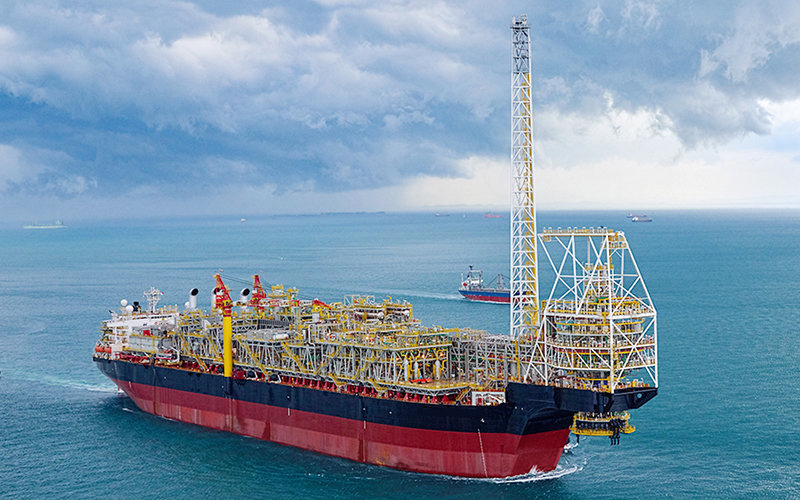
Whilst the size of this no hot work project is a milestone for SPS, the use of a “no hot work” method to install this permanent structural composite has a 15-year pedigree.  It was first used onboard the FPSO Independence (ConocoPhilips) in 2003 when a 3m² area of bottom shell in a cargo oil tank was reinstated.  Without hot work, there was no need for a shutdown and the vessel could remain on station with full operational capacity.  

A no hot work solution is applicable to plates or pipes in areas exposed to volatile chemicals or compounds and involves the use of structural adhesives and bolts to fix perimeter bars and top plates to the existing structure to form cavities.  It is into these cavities that the elastomer core is injected which bonds to the top and bottom faceplates providing greater strength than the original structure.  Post elastomer injection, the perimeter bars are structurally unnecessary.  Cavities are sized according to the existing structure, typically these are 9m² but in principle, there is no size limit.

As a steel-elastomer-steel composite, which typically reinstates a structure beyond its original strength, SPS, has many uses and with the identification of different demanding applications so the installation process evolved. A low heat SPS installation method is used where services, insulation, paint systems, and fuel oil tanks must be protected from heat input during repair and involves the use of non-direct welding, adhesives, and/or stud welded perimeter bars.  It was first introduced in 2006, where the inner hull plating and longitudinals in the passageways were reinstated on board an LNG carrier.  559m² of SPS was installed and it was vital that the membrane installation system was not affected.  Over 55 low heat and no hot work projects have been completed so far-ranging in size from 1- 825m² and over 10,000m² of SPS has been installed using these methods. 

“No hot work SPS repairs is not a new solution.  We’ve been executing such projects for over 15years.  Tailor-making solutions to meet our clients’ needs is what we do.  Adopted widely in the offshore industry, these no hot work and low heat solutions for SPS are now gaining acceptance by the cruise industry where disturbance to below deck services and cable runs is avoided where possible.  Our design team provides an SPS solution tailored to operational requirements, schedule, and budgets.”

Jonny Lim, Director, SPS Asia

Over the past 20 years, £20m+ has been invested in developing the patented SPS technology including an extensive and rigorous program of tests.

What Would Happen If Fossil Fuels Run Out One Day And How Would We Adapt?

How are we using Fossil Fuels?

Fossil fuels power our industries. It creates modern global transportation. Manufacturing industries harness it to reach the market demands for products and goods.

However, burning carbon-based fuels produces large amounts of carbon dioxide. This results in the greenhouse effect, which drives climate change.

What type of scenario will happen if we run out of Fossil fuels one day?

1) Electrical Failure

Electricity is created by Fossil Fuels in the Power generators. If fossil fuels run out one day, electricity failure will happen.

This will produce an undesirable occurrence in hospitals in low-to-middle income countries. When fossil fuels are not available, surgeries will be affected halfway. Ventilators and a lot of medical treatment machines will stop working. Patients will be in critical conditions throughout the hospital.

2) Global Transportation

Global Transportation is the reason that humans are able to survive through covid-19. Without fossil fuel, essential items such as masks and PPE are unable to reach to other countries in time.


Large-scale international trade would shut down. Commuter transportation could transit to electric rail or electric cars quickly. Let’s face the inevitable news. For container ships, renewable energy is unable to power them across the world.

Most large cargo vessels are powered by bunker fuel. It is also known as Heavy Fuel Oil, which contains higher Sulphur levels than diesel.

3) Food chain logistics will be disrupt

Without global transportation, food chain logistics will be badly affected. Restaurants will be the first industry to shut down in batches.


Sushi restaurants will find it hard to import fresh salmon from Japan without global transportation.


Food production would have to be local. Electricity shortages might make refrigerators too expensive to run. Big cities would lose their living appeal. People will move out in droves to rural areas to live closer to food sources.

4) Economy will grind to a halt

International trade would grind to a halt. The global economy will be constrained to a semi-local condition as there will be no more fuel to move products around. Foreign goods would become expensive. National economies that depend on international trade would sink into a deep economic depression.

However, it doesn’t look too bad.

Covid-19 has shown us that humans are adaptative to our surroundings. We will move forward as a new agrarian society, with advanced technological skills and a cleaner environment.

Fortunately, the world is searching for various ways to use clean energy

Right now, we are seeking out renewables energy, such as wind, solar, hydro, and biomass.

More than 80% of new electricity generating projects built last year were renewable. It has led to a 10.3% rise in total installed zero-carbon electricity generation globally.

Cruise Ship Tween Deck Reinstated With SPS

During a return voyage between New York and Southampton, an 88m² permanent repair was undertaken onboard Carnival UK’s flagship, the Queen Mary 2.  The SPS steel reinstatement repair technique facilitated this in-service repair on the tween deck (deck 8) and took just 11 days to complete.

The SRC team undertook all steelwork preparation and installation. Working in a height restricted area twenty four cavities were created into which the SPS elastomer core was injected to fully reinstate the strength and integrity of the structure. 

Deliver the project with minimal disruption

Andrew Menzies, Deck & Safety SME, Carnival UK commented, “The team was able complete the repair under challenging circumstances whilst the vessel was in-service.  In order not to impact on our guests’ cruise experience, restrictions were placed on when works could be undertaken which the team worked around delivering the project on time, with minimal disruption.”

“SPS is ideally suited for cruise vessel repairs.  Projects can be undertaken as and when they come to light, with no need to disrupt passenger schedules or extend docking periods.  SRC’s team performed a first-rate job and we were pleased to be able to deliver the project ahead of schedule. ”

SPS Project Manager, Farihim Mohammad

This permanent repair was inspected and approved by Lloyd’s Register on both sides of the Atlantic.

Read more at SPS Technology