
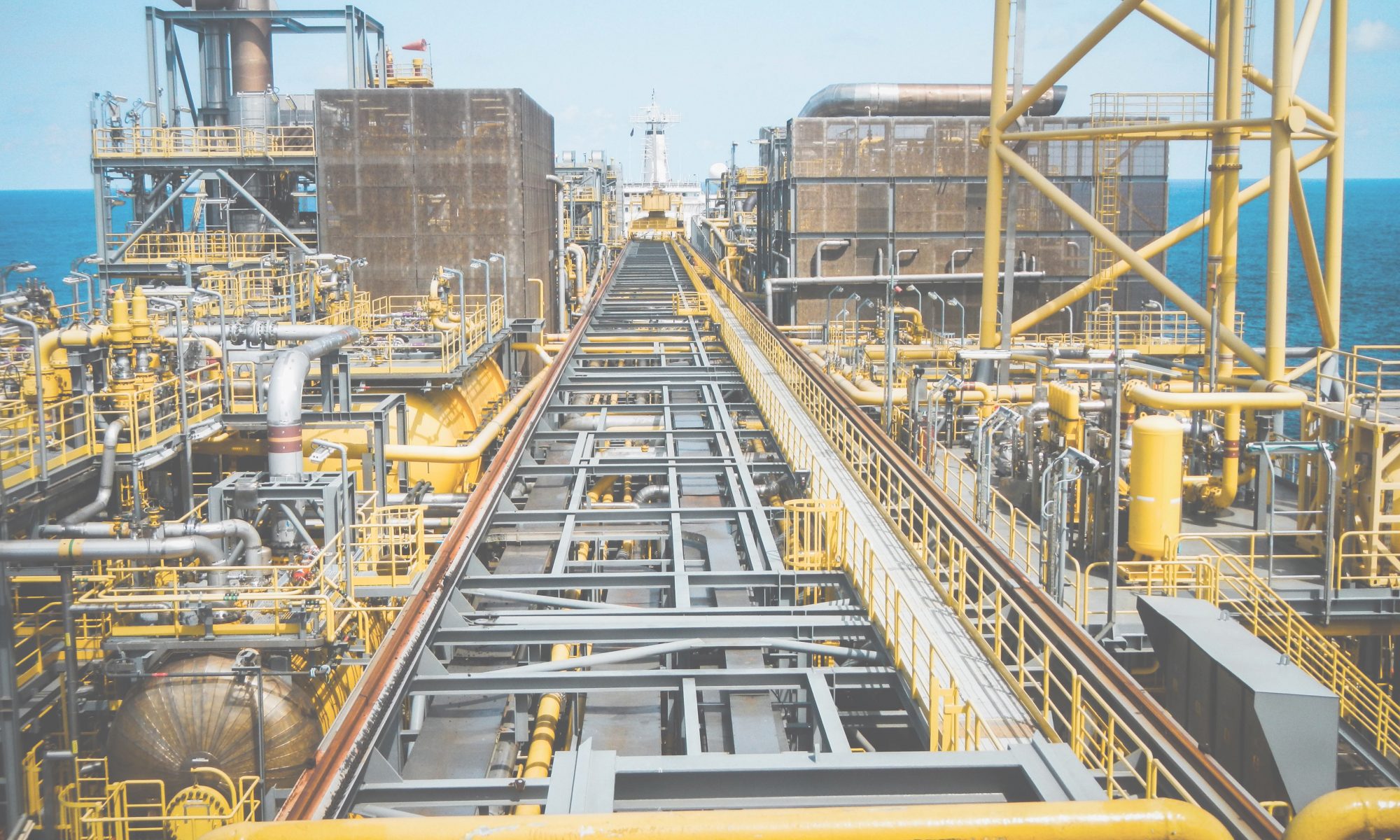

Floating platforms are increasing in number and complexity, particularly in Deepwater environments. They have driven the development of various technologies that benefit both commercial and military ships. However, operating these assets is also becoming more of a challenge. Currently, there are different production requirements and evolving marine standards.
Most FPS units are ship-shaped and are often based on new build or converted trading tankers. Many FPS units remain on-station for extended periods (typically 5-20 years) without drydocking. During this period, they may need to function at above 95% availability to remain commercially viable. Operators and owners have developed maintenance strategies to enable safe operations for extended periods.
Why Asset Integrity Management Is the Best Solution For Inspection & Maintenance Service for FPS?

Asset integrity is the term for an asset’s capacity to run effectively and accurately. At the same time, it protects the wellbeing of all personnel and equipment with which it interacts. There will be measures in place to assure the asset’s life cycle. Asset integrity applies to the entirety of an asset’s operation, from its design phase to its decommissioning and replacement.
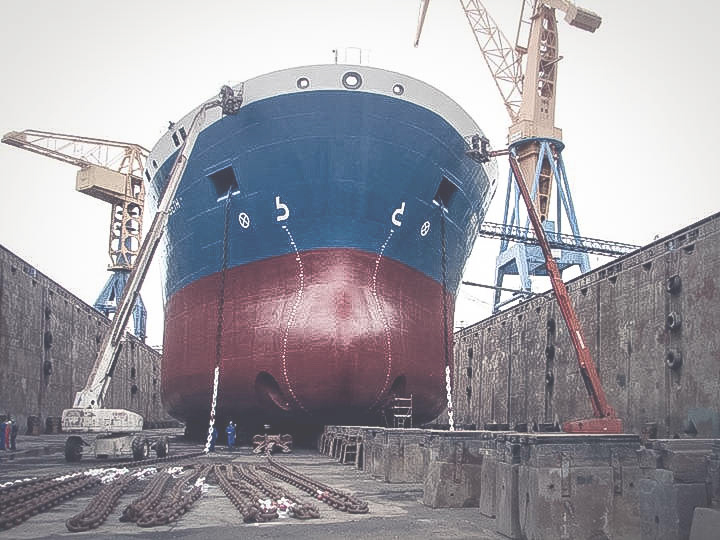
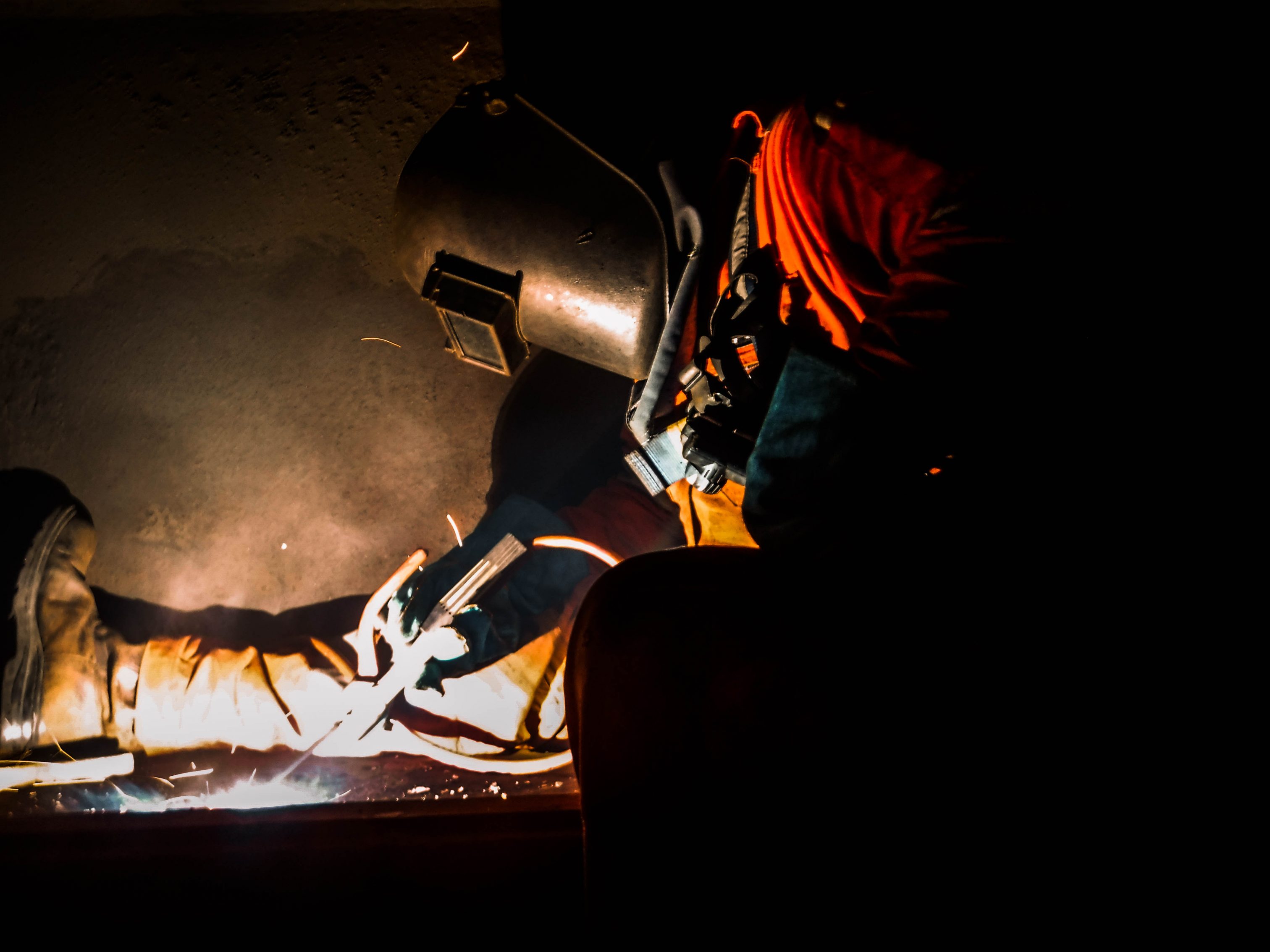
Conventional drydock methods are not suitable to apply to an FPS on-station. One example is carrying out hot work that involves emptying, cleaning, and gas-freeing not only the tank to be worked in but all adjacent tanks that carry flammable materials.
Asset integrity management system (AIMS plan) is the alternative solution for all FPS owners. It has 3 stages as shown below.
- 1) Develop criticality-based inspection and maintenance plans
- 2) Managing the plans
- 3) Applying innovative inspection, maintenance, and repair methods.
The plans cover all areas of plant, machinery, process plants, marine piping, and control systems.
New Ways To Reduce Cost Without Compromising On Safety

In this lower oil price era, there is an increased focus on cost reduction, without compromising safety. It has led the industry to adopt radically new ways of operating using robotic and digitization methods. In this way, it can reduce human intervention for routine or hazardous tasks.
Co-operation and consensus between industry experts is the key to this process and the establishment of common standards, particularly for safety. The main drivers have been trying to reduce the need for divers, weather-dependent, and height-hazardous activities.
The various initiatives have helped to cut costs by (50%) and Personnel Onboard (POB) by 70%, with improved efficiency. A large part is due to the fact that the methods developed are implemented while the offshore assets are in operation. This will avoid out-of-service, shutdown costs, and penalties.
Rapid Growth of the Floating Gas Sector

The rapid growth of the floating gas sector has introduced different challenges. For example, the proximity of FSRUs to population centers raises potential safety. This proves to be an environmental hazard, which is different from those facing assets many miles from land.
This has become a growing preoccupation for the industry and was the theme of the FPSO Forum in Singapore earlier this year. One outcome was the formation of the FLOGAS (Floating Gas) joint industry project (JIP). The main aim is to identify and foster solutions to integrity issues facing nearshore vessels.
What has been achieved in the Oil & Gas Industry?

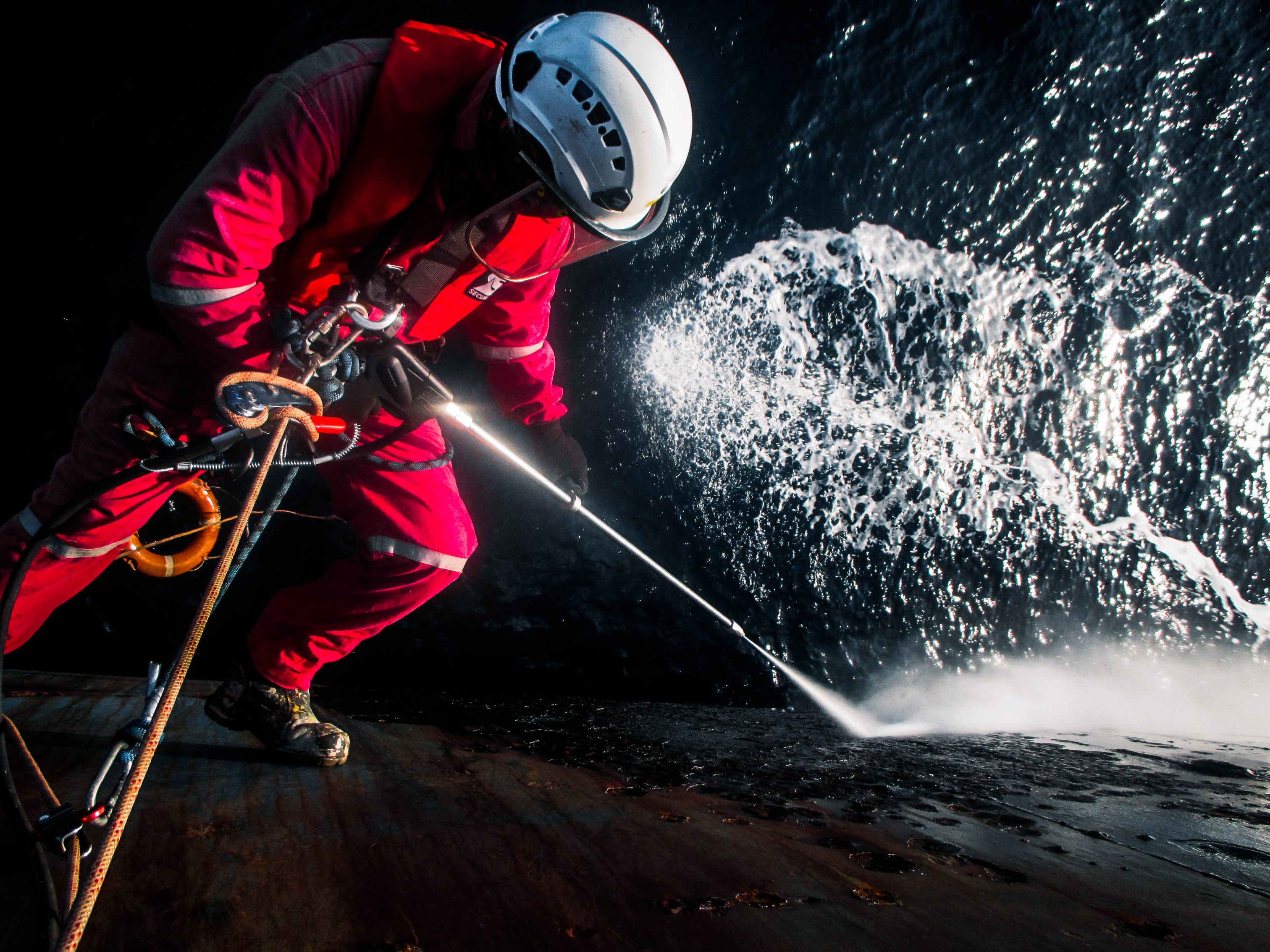
Technology like diver-less inspections of hull and sea valves are now commercially available. One key factor has been the ability to deploy a variety of tools on the ROV such as cavitation blasters. It cleans underwater components and helps to avoid the damage caused to coatings by mechanical cleaning tools.
Remote inspection of confined spaces is evolving rapidly with robotic camera systems. They are deployed for visual inspection of tanks to class equivalent standards.
A major recent breakthrough is the capability to measure thickness remotely. An FPSO in Equatorial Guinea was measured using the latest synchronous laser technology.
Full Benefits of working with various vendors

Long-term partnerships between operators, contractors, and service groups can help to realize the full benefits of emerging inspection technologies on floating assets.
Service companies will familiarize themselves with operators’ assets and ways of working. Thus, it will make it easier for them to deploy their systems on these assets.
At the same time, they will try to gain a better understanding of the operators’ priorities, working with them to seek solutions. The construction industry adopted this approach in the 1980s to foster cooperation rather than conflict, and it worked well.

;?>/images/phone_icon.png) +65 6966 6027
+65 6966 6027;?>/images/fax.png) +65 6966 0437
+65 6966 0437;?>/images/message.png)
