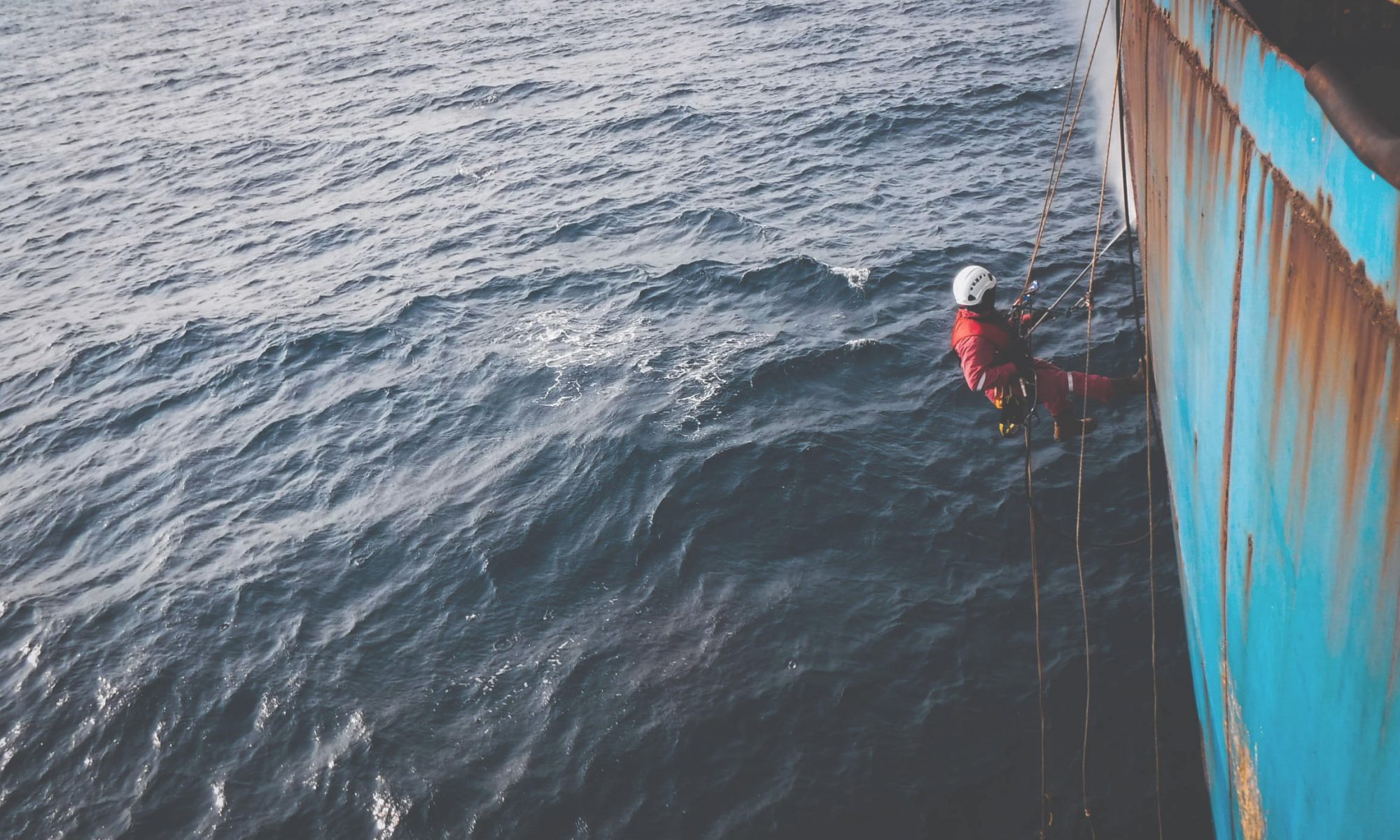
History Of Water Ballast Tank And Why Is Ballast Water Treatment Important?

History of ballast on vessels

In the earlier times, solid ballast such as sandbags, rocks, iron blocks were used to load onto the vessels once the cargo loading was completed. This method helped to maintain the stability of the ship and its seaworthiness. In the nineteenth century, cargo boats returning from Europe to North America would carry quarried stone as ballast. They contribute to the architectural heritage of some east coast cities (for example Montreal), where this stone was used in building.

As soon steam-powered ships appeared during the modern industrial revolution, their design changed to a metal-hulled type. They started to carry water for the steam machine but also developed the use of water as stabilization ballast.

Today cargo vessels, such as tankers, bulk carriers, or container ships carry liquid ballast. It includes freshwater, saltwater, or brackish water in various ballast tanks. If the cargo vessel wishes to travel empty or partially empty to collect cargo, it must travel in ballast. It keeps the vessel in trim and keeps the propeller and rudder submerged. Typically, being “in ballast” will mean flooding the ballast tanks with seawater as ships get bigger in size. The cargo carried by the vessels varies from one port to another. Water ballast tanks are used to compensate for maintaining the trim and stability of the vessel for a safe sea passage.

Why is ballast water an issue?

The process of loading and unloading untreated ballast water poses a major threat to the environment. Ships become a medium for the transfer of organisms between ecosystems from one part of the world to another.

When ballast water is pumped into a ship many microscopic organisms and sediments can be introduced into a ship’s ballast tanks. These organisms include bacteria, microbes, small invertebrates, eggs, cysts, and larvae of various species. Many of these organisms can survive in a ship’s ballast tanks. When the ballast water is discharged, the organisms are released into new environments. If suitable conditions exist in the new environment into which they are released, these species can survive, reproduce, and become aquatic invasive species.

How ballast water treatment solve invasive species issues?

Ballast water treatment systems are used to maintain the balance of the marine ecosystem by filtering and disinfecting ballast water. Several technologies are used in ballast water treatment systems to avoid polluting seawater. As time has passed, companies are favoring chemical-free ways of treating ballast water. Thus, physical treatment is gaining importance.

The International Marine Organization (IMO) has imposed strict regulations to check potential harm to seawater. By checking on foreign toxic species such as pathogens, these regulations and their strict enforcement are making owners install ballast water treatment systems on ships.

A number of factors are taken into account for choosing a ballast water treatment system for a ship.

Some of the main factors taken into consideration are 

  • 1) Effectiveness of ballast water organisms
  • 2) Environment-friendliness
  • 3) Safety of the crew
  • 4) Cost-effectiveness
  • 5) Ease of installation and operation
  • 6) Space availability on board
History Of Galley And Why Is It Important For The Ship Crew

Back in the day, ships were made of wood. Cooking on board was a fire hazard. Therefore, a smaller structure called Galley was formed to ensure crew safety on the ship. Working on labor-intensive sailing ships meant crews burned more than 4,000 calories a day. Journals from 1943 show that British naval officers had the option to undertake a six-week cookery course during the height of World War Two. They can learn to prepare dishes as diverse as beef casserole and steamed pudding.

Food was also important from a crew health standpoint. If the crew is not feeling well, they will be unable to perform their assigned duties. For a healthy, contented crew, a ship needs to equip with a galley, thoughtful chefs, good storage, and refrigeration facilities.

A galley is usually laid out in an efficient typical style with longitudinal units and overhead cabinets. This makes the best use of the usually limited space aboard ships. It also caters to the rolling and heaving nature of ships, making them more resistant to the effects of the movement of the ship. Equipment such as strengthened materials, boltable feet for deck attachment, rolling racks, and storm rails, and guide rails are made for the marine environment.

For this reason, galley stoves are often gimballed, so that the liquid in pans does not spill out. They are also commonly equipped with bars, preventing the cook from falling against the hot stove. Hot and cold food preparation lines consist of modular systems in different executions and standards. Modular galley systems ensure user-friendly, hygienic, compact, and flexible working spaces with high quality and capacity, but without unnecessary intermediate spaces.

Maritime Labour Convention law stipulates that there must be access to clean drinking water and that the food served should take into account cultural and religious sensitivities. Maintaining a healthy diet for the ship crew with good hygiene helps to prevent diseases and improve overall health.

4th Workshop on Integrity and Maintenance of Offshore Assets

Online Event

Date & Time: September 29, 2021, 7pm – 12 am (SGT)

There are many challenges associated with maintaining the effective integrity of assets to improve operational performance and maintain offshore production levels in Brazil.


Companies specializing in offshore asset maintenance are predicting an increase in demand from 2021/22 when the effects of the Covid-19 pandemic are expected to be mitigated and activities reheated.


There is a new entry of players in the market for predictive, preventive, and corrective maintenance. Until 2015, this type of service was dominated by a relatively small group of companies. The understanding is that the emergence of other companies reflects a complete change in this situation that, in recent years, has suffered from the fall in much of the country’s industrial activities.

Good examples of asset integrity and maintenance are focused on current industry best practices, which have been developed over the years. Such practices note how innovation and technology can help shape the future of offshore maintenance.

In 2019 and 2020, with the oil crisis and the pandemic, Petrobras decided to hibernate platforms of lower productivity. Some units will be sold and others decommissioned. Platforms that will be hibernated will need to have appropriate procedures, for example, with corrosion protection. Both the new offshore units to be built, and those that will be sold, will have to be fully maintained until the destination is completed.


Based on these principles, SOBENA promotes the 4th Event on Integrity and Maintenance of Offshore Assets to be held on September 29, 2021.

It is a common fact that maintenance should be a priority from now on. In this webinar, we will bring together key stakeholders, including operators, regulators, supply chains, and industry experts, to discuss some of the key challenges facing the industry today and how we can use our knowledge, technologies, and expertise to find new, cost-effective and secure solutions for the future.


Eng. Prof. Ronald Carreteiro – Webinar Coordinator

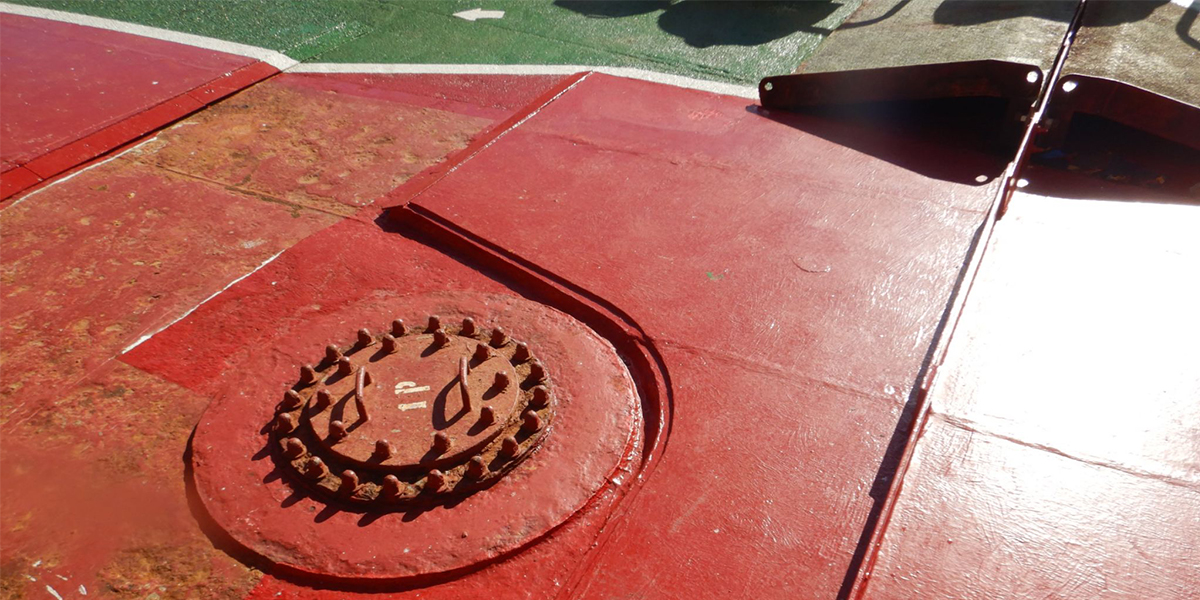
FPSO CAPIXABA COLD WORK REPAIR

What is SPS?

SPSTM is a patented structural composite comprising two metal plates bonded with a solid polyurethane elastomer core. The elastomer core provides support to the plates. It enhances buckling capacity and fatigue life of the structure.

Benefits of using SPS repair technology

  • – Local and global strength reinstatement and strengthening
  • – Superior to conventional crop and replace
  • – Extremely fast process with no structural removal (up to 4x faster than conventional methods)
  • – Non-disruptive
  • – Better than the new structural performance
  • – Minimises labour content and downtime

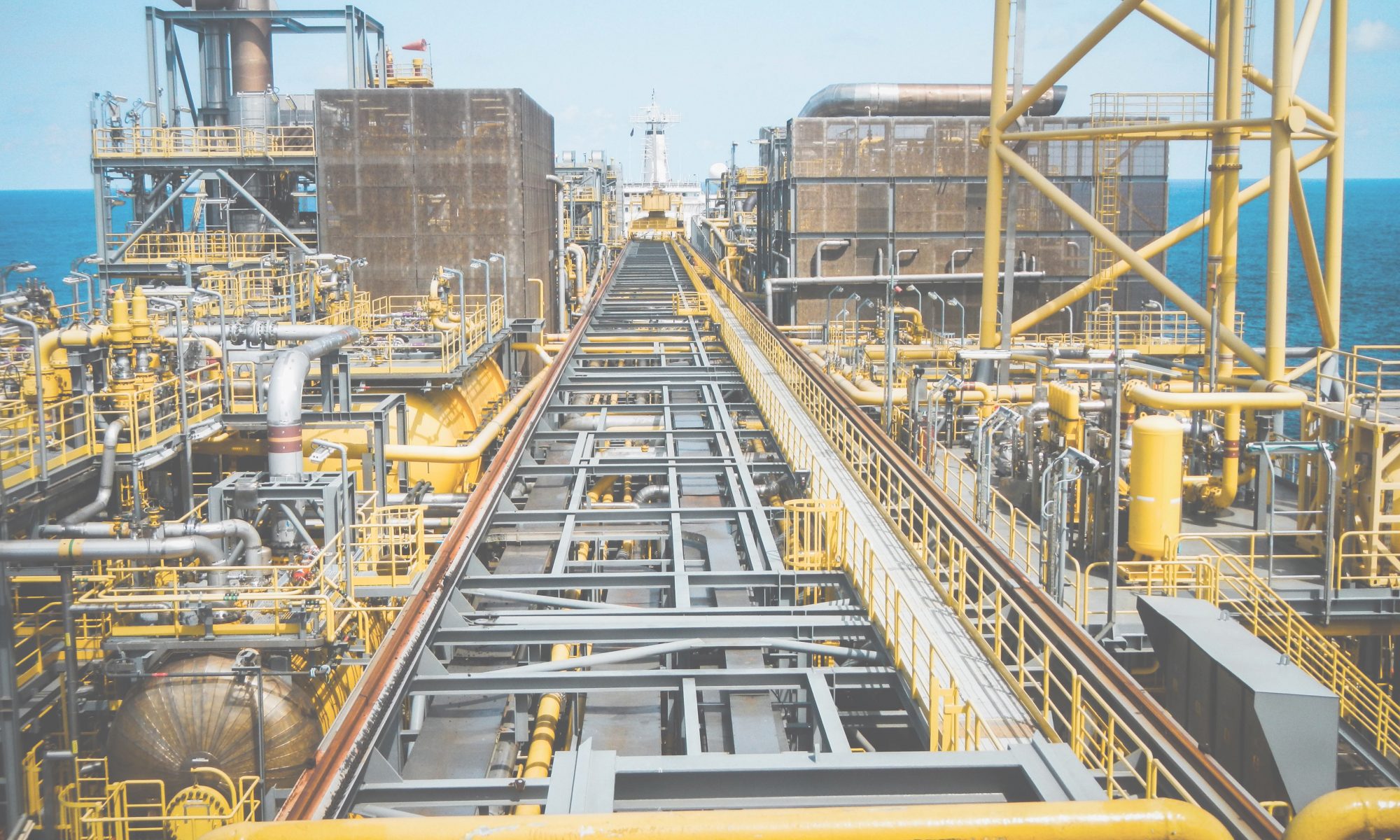
Cold Work SPS for FPSO Capixaba

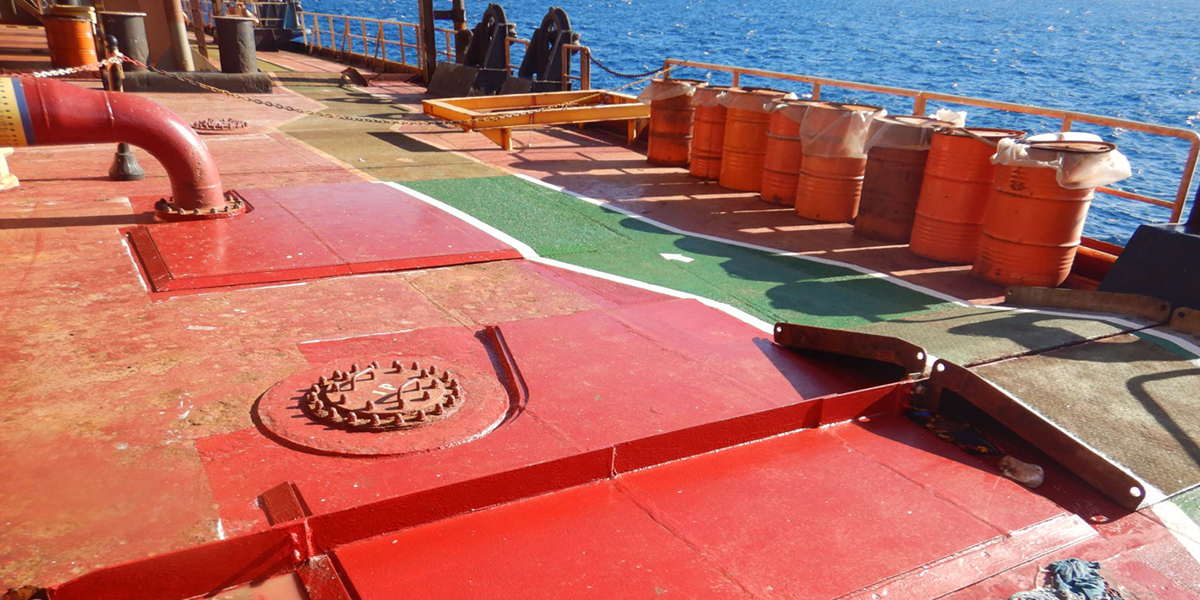
Using the SPS® Cold Work solution to reinstate the deck of the FPSO Capixaba ensured:

  • – 100% operational capacity was maintained throughout – tank below remained operational
  • – A non-disruptive repair was completed much faster than crop and renew repair
  • – Reinstated deck plate stronger than the original
  • – Fire risk eliminated
  • – No crude oil tank cleaning required
  • – No under deck scaffolding required in confined space

Our well-trained SPS team proposed SPS Cold Work installation to deliver this permanent repair. We reinstated the existing deck and created a new composite section. A combination of bolts and structural adhesive was used to fit and join the steel components to form airtight cavities. The elastomer core was injected between the cavities. All steel components were prefabricated before being shipped on board for installation. This reduced the cost of the project. Welding requirements were eliminated. Time was reduced for the installation team, which in turn simplified project logistics. The design and process were evaluated and approved by ABS Brazil. 

The SPS cold work solution reduced the amount of in-situ offshore work and POB requirements, allowing the FPSO to remain in operation. The fire-related risk was eliminated during the repair. SPS cold work was a great solution, as well as being class approved, for steel repairs where both hot work and POB are a constraint.

Andrea Galter, Operability Lead Engineer, SBM Offshore

History of Welding And Why Is It Important For The Shipbuilding Industry?

History Of Welding

History evidence has shown that ancient Egyptians learned to weld iron together. Small golden boxes were discovered with pressure-welded lap joints from over 2,000 years ago.

During the Industrial Revolution in the 1800s, Sir Humphry Davy produced the first electric arc between two carbon electrodes using a battery. In 1836, his cousin, Edmund Davy discovered acetylene. In 1881, forge welding technology was developed when Auguste de Méritens used arc heat to join two pieces of lead plates together.

Modern welding did not start until the widespread availability of electricity at the start of the 20th century. In 1919, C.J. Holslag invented alternating current welding. It replaces electric arc welding as the most prevalent form of welding in the United States. Welding continued to increase and was in high demand due to the First and Second World Wars.

What is Welding In Maritime Industry?

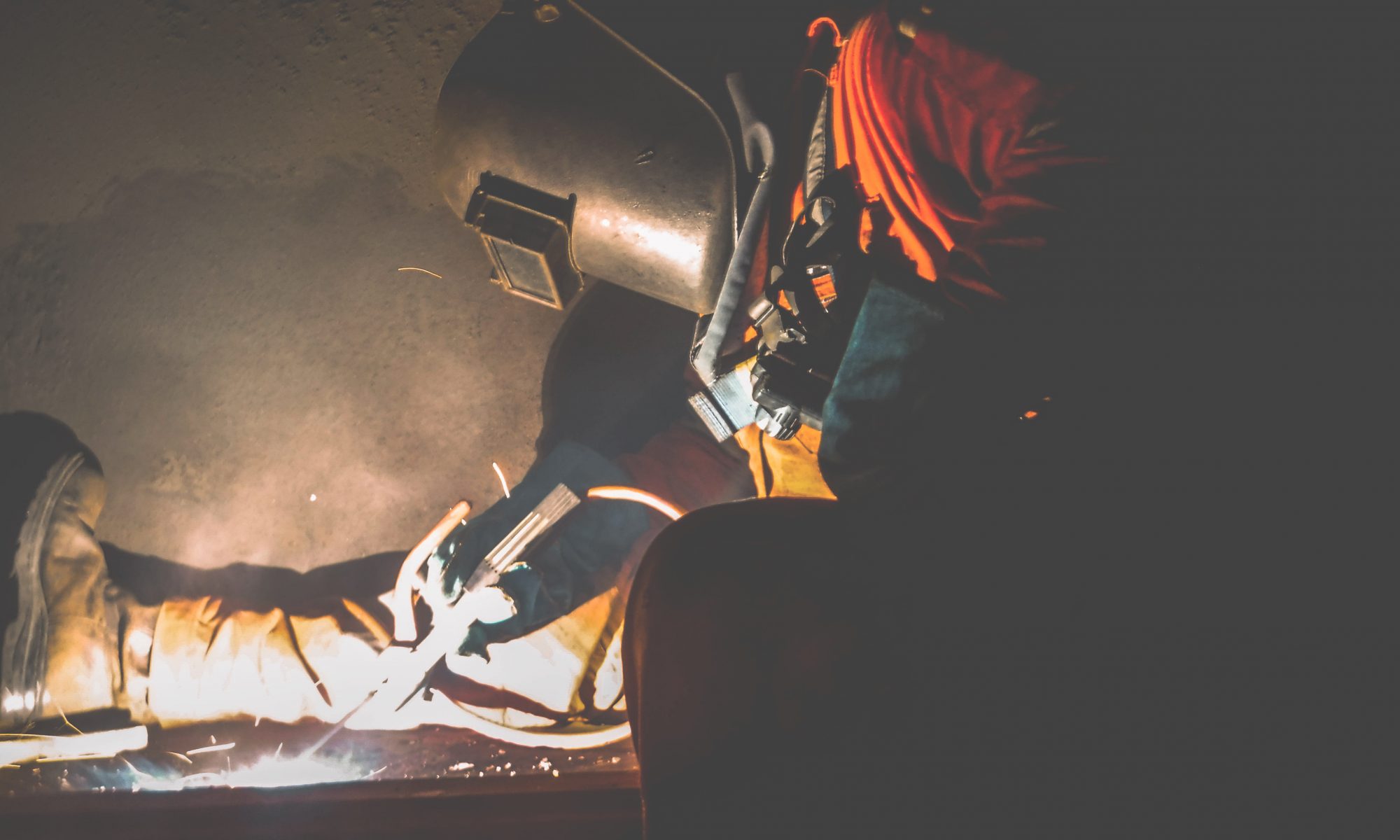
Welding involves joining metals or thermoplastics together with the use of heat. In most instances, the welding job required to build ships and repair metal parts and structures. Maritime welding job aims to produce joints that are watertight and oil-tight.

Welded joints, as opposed to riveted joints, reduce steel weight, and require less maintenance than riveted joints. Welding technology is crucial in the shipbuilding industry for producing smooth hull surfaces, reducing hull resistance and power needs.

What is the best-known welding method used?

Gas tungsten arc welding (GTAW) – An electric arc welding process that produces an arc between a non-consumable electrode and the work to be welded.

Gas metal arc welding (GMAW) – An electric arc is formed between the metal and a wire electrode, applying heat to the metal pieces. This action melts and fuses the parts together to form a permanent bond.

Why Is Welding Important to the Shipbuilding Industry?

Welding is critical for Offshore operations such as the construction of new projects and for the maintenance of existing facilities.

Welding is important in the shipbuilding process because it can create joints that are water and oil tight. As you can imagine, a strong weld is essential to the integrity of the ship. On one large ship, it can have hundreds of joints that require welding.

Shipbuilders face many challenges in the shipyard that could prevent progress and create downtime during operation. The need for durable equipment and an experienced welder that can address the demands of different applications is vital.

Did Our Current Pandemic Reduce Carbon Footprint for Our World?

What is carbon footprint?

A carbon footprint is the total amount of greenhouse gases that are generated by our actions. It corresponds to the amount of greenhouse gases (GHG) that we produced directly and indirectly with our lifestyle and activities.

Carbon footprints are usually measured in tons of CO2, during the period of a year. The average carbon footprint for a person globally is around 4 tons.  The average global carbon footprint per year needs to drop under 2 tons by 2050. In this way, we can avoid a 2-degree rise in global temperatures.

How much carbon footprint have we created over the years?

According to the world In data, more than 400 billion metric tonnes of carbon have been released into the atmosphere. Since 1800, the consumption of fossil fuels has increased carbon emissions. 

Prior to the Industrial Revolution, emissions were very low. Growth in emissions was still relatively slow until the mid-20th century. In 1950, the world emitted 6 billion tonnes of Carbon. By 1990, this had almost quadrupled to 22 billion tonnes. Emissions have continued to grow rapidly. Currently, we are emitting over 36 billion tonnes each year.

Did our current pandemic slow down carbon emissions?

When the World Health Organization officially declared a pandemic on 11 March 2020.  The planet has already warmed by around 1.2C since pre-industrial times. There was an unprecedented reduction in carbon emissions as a result of shutdowns of the economy. Animals returned to big cities and air pollution declined in cities because of the reduction in traffic.

The reported drops in carbon emissions and other greenhouse gases, while helpful, are insufficient to slow climate change.

Alex Hall, professor of atmospheric and oceanic sciences at UCLA

However, a reduction in carbon emissions isn’t enough to significantly curb climate change. The emissions have taken place over the past several decades. To affect ongoing and future climate change, the recent emissions drop would have to be sustained over a much longer period than the likely duration of the coronavirus outbreak.

Emissions would need to drop by more than 25% to see a total drop in the amount of carbon in the atmosphere, and thus slow an annual global rise in temperatures.

Tips on reducing carbon emission by yourself

  • 1) Reduce energy usage in your home
  • 2) Regularly service your car to keep it more efficient
  • 3) Replace to LED lights
  • 4) Consider the fabric of your clothes purchase.

3 Reasons On Why SPS Is Better Than Traditional Steel Renewal In Offshore Assets

What is SPS?

SPSTM is a patented structural composite comprising two metal plates bonded with a solid polyurethane elastomer core. The elastomer core provides support to the plates. It enhances buckling capacity and fatigue life of the structure.

How can SPS be applied to offshore steel renewal work?

For repair and structural strengthening applications, the existing corroded or worn existing corroded or worn plating as one side of the composite panel to which perimeter bars and top plate are fixed to form a cavity into which the elastomer core is injected. The resulting composite fully restores or enhances the strength of the original structure.

SPS is a permanent structural repair solution that is approved by all major classification societies. SPS has completed 5500+ maritime and offshore projects for a wide range of applications. Examples include tank tops, bulkheads, decks, and ramp strengthening.

What are the 3 ways that SPS is a better solution?

1) It is durable

An SPS repair is designed to last for the lifetime of a vessel or structure which has been proven with over 20 years’ experience in the market and thousands of hours of testing.

SPS fully restores and strengthens to build strength with greatly improved impact resistance and fatigued life.

2) It uses lesser steel and lower cos

The top plate required ranges from 4-8mm. Depending on the repair design, the elastomer core thickness is between 20mm50mm. With continuous elastomer core support, SPS panels remain flat with no local buckling.

Reduced steel requirements mean that SPS reduces the cost of repair in comparison with conventional crop and renewal.

3) It is faster

SPS is a non-disruptive repair, completed in a fraction of the time crop and renewal as SPS uses the existing worn-steelwork to form one side of the composite panel formed by a new top plate and elastomer core.

“Using SPS rather than conventional crop and replace methods reduced our repair schedule by 40%.”

Atle Paulsen Superintendent V.Ships

Why Having Inspections Improve Integrity And Extend The Service Life Of Floating Platforms

Floating platforms are increasing in number and complexity, particularly in Deepwater environments. They have driven the development of various technologies that benefit both commercial and military ships. However, operating these assets is also becoming more of a challenge. Currently, there are different production requirements and evolving marine standards.


Most FPS units are ship-shaped and are often based on new build or converted trading tankers. Many FPS units remain on-station for extended periods (typically 5-20 years) without drydocking. During this period, they may need to function at above 95% availability to remain commercially viable. Operators and owners have developed maintenance strategies to enable safe operations for extended periods.

Why Asset Integrity Management Is the Best Solution For Inspection & Maintenance Service for FPS?

Asset integrity is the term for an asset’s capacity to run effectively and accurately. At the same time, it protects the wellbeing of all personnel and equipment with which it interacts. There will be measures in place to assure the asset’s life cycle. Asset integrity applies to the entirety of an asset’s operation, from its design phase to its decommissioning and replacement.

Conventional drydock methods are not suitable to apply to an FPS on-station. One example is carrying out hot work that involves emptying, cleaning, and gas-freeing not only the tank to be worked in but all adjacent tanks that carry flammable materials.

Asset integrity management system (AIMS plan) is the alternative solution for all FPS owners. It has 3 stages as shown below.

  • 1) Develop criticality-based inspection and maintenance plans
  • 2) Managing the plans
  • 3) Applying innovative inspection, maintenance, and repair methods.

The plans cover all areas of plant, machinery, process plants, marine piping, and control systems.

New Ways To Reduce Cost Without Compromising On Safety

In this lower oil price era, there is an increased focus on cost reduction, without compromising safety. It has led the industry to adopt radically new ways of operating using robotic and digitization methods. In this way, it can reduce human intervention for routine or hazardous tasks.

Co-operation and consensus between industry experts is the key to this process and the establishment of common standards, particularly for safety. The main drivers have been trying to reduce the need for divers, weather-dependent, and height-hazardous activities.

The various initiatives have helped to cut costs by (50%) and Personnel Onboard (POB) by 70%, with improved efficiency. A large part is due to the fact that the methods developed are implemented while the offshore assets are in operation. This will avoid out-of-service, shutdown costs, and penalties.

Rapid Growth of the Floating Gas Sector

The rapid growth of the floating gas sector has introduced different challenges. For example, the proximity of FSRUs to population centers raises potential safety.  This proves to be an environmental hazard, which is different from those facing assets many miles from land.

This has become a growing preoccupation for the industry and was the theme of the FPSO Forum in Singapore earlier this year. One outcome was the formation of the FLOGAS (Floating Gas) joint industry project (JIP). The main aim is to identify and foster solutions to integrity issues facing nearshore vessels.

What has been achieved in the Oil & Gas Industry?

Technology like diver-less inspections of hull and sea valves are now commercially available.  One key factor has been the ability to deploy a variety of tools on the ROV such as cavitation blasters. It cleans underwater components and helps to avoid the damage caused to coatings by mechanical cleaning tools.

Remote inspection of confined spaces is evolving rapidly with robotic camera systems. They are deployed for visual inspection of tanks to class equivalent standards.

A major recent breakthrough is the capability to measure thickness remotely.  An FPSO in Equatorial Guinea was measured using the latest synchronous laser technology.

Full Benefits of working with various vendors

Long-term partnerships between operators, contractors, and service groups can help to realize the full benefits of emerging inspection technologies on floating assets.

Service companies will familiarize themselves with operators’ assets and ways of working. Thus, it will make it easier for them to deploy their systems on these assets.

At the same time, they will try to gain a better understanding of the operators’ priorities, working with them to seek solutions. The construction industry adopted this approach in the 1980s to foster cooperation rather than conflict, and it worked well.

The History of Seafarers And How Maritime Labour Law Change Over the Year?

The History of Seafaring and Who Created the First Maritime Trading Culture?

Our ancestors migrated out of Africa 60,000 to 70,0000 by boats. One of the main reasons that our ancestors ventured out of the land may be due to the lack of food or to search for raw materials.

The Phoenician civilization was the first to create the first maritime trading culture. They formed a network of colonies and trade centers across the ancient Mediterranean between the period of 1200 BC t0 900Bc. They act as middlemen traders to transport goods such as papyrus, textiles, metals, and spices between the many civilizations with whom they had contact.

When Did Maritime Law First Start and How Is It Benefiting for Seamen?

Maritime Law was first documented at the time of Ancient Egypt. For trade to flourish, ships needed to be able to travel from port to port with a reasonable expectation of safety and fair trade. Ancient Egyptian maritime forces were commanded by trained and experienced marine professionals.

The European Laws of Oleron is created around 1150, which is the oldest regulating medieval shipping in north-western Europe. It is known to has one of the best-known sea laws. One of the laws stated that shipowners are responsible for the living expenses and medical care of seamen.

Due to the nature of the working environment, seamen will be prone to fall ill or be injured in the course of their duties. This law of “maintenance and cure” is still included in current U.S. maritime law.

The Importance of Seafarers in Our Changing World and How Can Maritime Law Help Protect Them?

Seafarers have been the anonymous heroes in our current pandemic. The world relies on them to transport more than 80% of traded goods by volume. Goods such as vital food, medical goods, energy, raw materials, and manufactured goods are moved across the globe with their help. 

At the same time, seafarers have also been collateral victims of the crisis. Due to travel restrictions, it has left tens of thousands of them stranded on ships, or unable to join ships. This has prone IMO to establishing a Seafarer Crisis Action Team. The team is set up to check developments, coordinate efforts, and communicate with all relevant stakeholders.  They provide targeted support in individual cases and particularly urgent situations as well.

Final Takeaway

  • 1) Our ancestors ventured out of Africa to search for more food and raw materials.
  • 2) The Phoenician civilization was the first to create the first maritime trading culture.
  • 3) Maritime Law was first documented at the time of Ancient Egypt.
  • 4) The European Laws of Oleron stated that shipowners are responsible for the medical care of seamen.
  • 5) IMO set up a Seafarer Crisis Action Team to assist stranded seafarers on ships due to pandemic

History of Seafarer Rights & Why Should We Celebrate Labour Day for Seafarers?

History of the International Labour Organization for the Shipping Industry

Shipping has a long history of multinational crewing. One hundred years ago, maritime unions, shipowners, and government representatives sat down to discuss the first moves to regulate this globalized workforce.  They recognize that seafarers would be most effectively protected by a uniform law.

After the first World War, there was a strong desire to build a better world. The International Labour Organization (ILO) was formed as part of the Versailles peace treaty. The ILO sought to set global standards for working conditions.

However, there was a recognition that the shipping industry was a special case deserving of special treatment. The ILO decided to devote the whole of its second conference in the following year to maritime matters. The most notable questions about the implementation at sea were the eight-hour day and 48-hour week. It has been adopted as the standard for industry ashore.

The commission’s final draft reached broad agreement on:

  • – 48-hour weeks for all except for masters, supervising officers, wireless operators, and cattlemen (the draft had foreseen 56-hour weeks at sea and 48 hours in port)
  • – A three-watch system for vessels over 2,000 tons (draft 2,500 tons)
  • – Maximum overtime of 14 hours per week or 60 hours per month to be compensated in pay or time off
  • – 45-hour weeks for ratings in port, with Saturday limited to five hours

All of these conventions ultimately found their way into the Maritime Labour Convention (MLC) of 2006. MLC 2006 united the provisions of 36 ILO conventions and one protocol adopted between 1920 and 1996.

What Is the Maritime Labour Convention and How Did It Benefit Our Seafarers?

The Maritime Labour Convention (MLC) entered into force on 20th August 2013. It aims to achieve decent work for seafarers and to secure economic interests through fair competition for quality ship owners.

The convention consists of the sixteen articles containing general provisions as well as the Code. The Code consists of five Titles in which specific provisions are grouped by standard (or in Title 5: mode of enforcement):

  • – Title 1: Minimum requirements for seafarers to work on a ship
  • – Title 2: Conditions of employment
  • – Title 3: Accommodation, recreational facilities, food and catering
  • – Title 4: Health protection, medical care, welfare, and social security protection
  • – Title 5: Compliance and enforcement

The Maritime Labour Convention provides a comprehensive set of basic maritime labour principles. This ensures all seafarers secure their basic employment rights. The working environment and living conditions have largely improved. They are able to make their opinions known to the shipowner. At the same time, the shipowner has a clear identification of his/her overall responsibility.