

What Are Marine Bumpers?

Marine bumpers are used to prevent ships and other vessels from colliding against each other or against docks, wharves, and piers.
They are made of materials such as foam, rubber, or air-filled within special elastomeric substances. They act like spring storing and releasing energy and are able to cope with the extreme forces under variable conditions. Whether it’s naval vessels, small boats, large docks, or piers; marine bumpers form one of the key marine equipment for safe marine operations.
The port facilities have changed drastically in the past so does the ship with an increase in maritime traffic. Modern ships use fixed marine fenders installed on their hulls. It helps to protect them from hull damage in the event of contact with another ship or berth. Sea piers and docks also utilize dedicated fenders of their own to reduce impact forces at the time of docking.
How Marine Bumpers Are Used for Ship Berthing?
When a ship is to be brought at a negligible speed to the berth, a small increase in speed will give rise to an exponential jump in the momentum. It is the product of mass and velocity.
However, the speed always cannot be reduced to the bare minimum. Due to tides, wind effects, tugs, erratic pulls, engine failures, a good marine bumper can save the day in such exigencies. Ideally, a marine bumper should be cost-effective, with low maintenance cost and high durability.
How Marine Bumpers Are Used for Ship Berthing?
When a ship is to be brought at a negligible speed to the berth, a small increase in speed will give rise to an exponential jump in the momentum. It is the product of mass and velocity. For example, the displacement tonnage of 10,000 when multiplied by a speed of one knot has half the momentum when multiplied by a speed of two knots. The energy of the impact is twice, thrice, four times, and so on with every knot of increase of speed.
However, the speed always cannot be restricted to the bare minimum, owing to certain conditions such as the tides, wind effects, tugs erratic pull, engine failures, etc. A good marine bumper can save the day in such exigencies. Ideally, a marine bumper should be cost-effective, with low maintenance cost and high durability. The material should be locally available should a case of replacement arise.
How do Marine Bumpers assist in our Marine Operations?
Most industries are now required to treat their wastewater on-site before it is discharged to a river or sewer (to meet a discharge consent limit). However, this treatment will vary depending on the contaminants present.
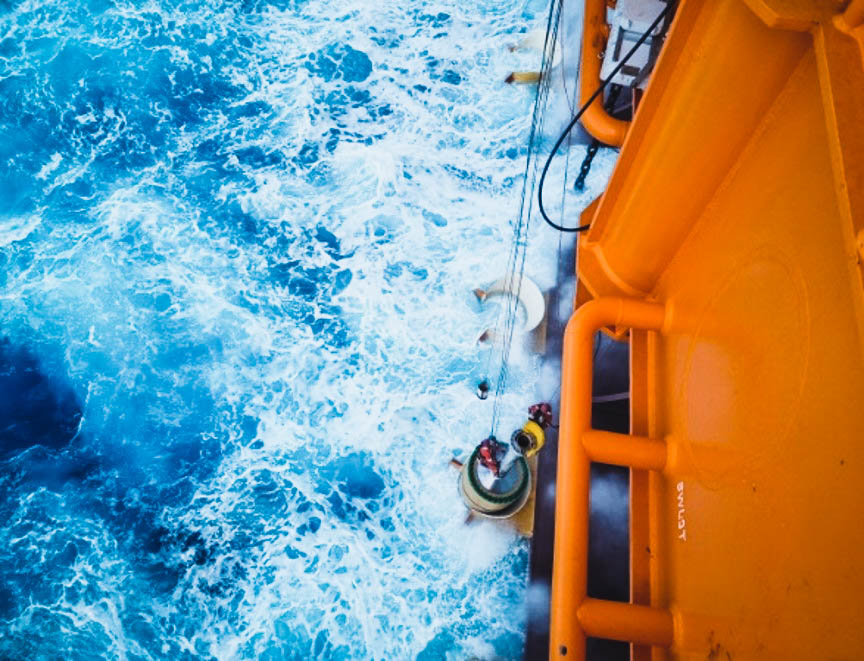
Wastewater treatment is the process of converting wastewater into water that can be discharged back into the environment. During our wastewater treatment for an offshore vessel last week in Guyana, our staff assist to install bumpers during the operation, which help to reduce the impact of contact with the vessel during our project.


;?>/images/phone_icon.png) +65 6966 6027
+65 6966 6027;?>/images/fax.png) +65 6966 0437
+65 6966 0437;?>/images/message.png)
