

History Of Welding
History evidence has shown that ancient Egyptians learned to weld iron together. Small golden boxes were discovered with pressure-welded lap joints from over 2,000 years ago.
During the Industrial Revolution in the 1800s, Sir Humphry Davy produced the first electric arc between two carbon electrodes using a battery. In 1836, his cousin, Edmund Davy discovered acetylene. In 1881, forge welding technology was developed when Auguste de Méritens used arc heat to join two pieces of lead plates together.
Modern welding did not start until the widespread availability of electricity at the start of the 20th century. In 1919, C.J. Holslag invented alternating current welding. It replaces electric arc welding as the most prevalent form of welding in the United States. Welding continued to increase and was in high demand due to the First and Second World Wars.
What is Welding In Maritime Industry?
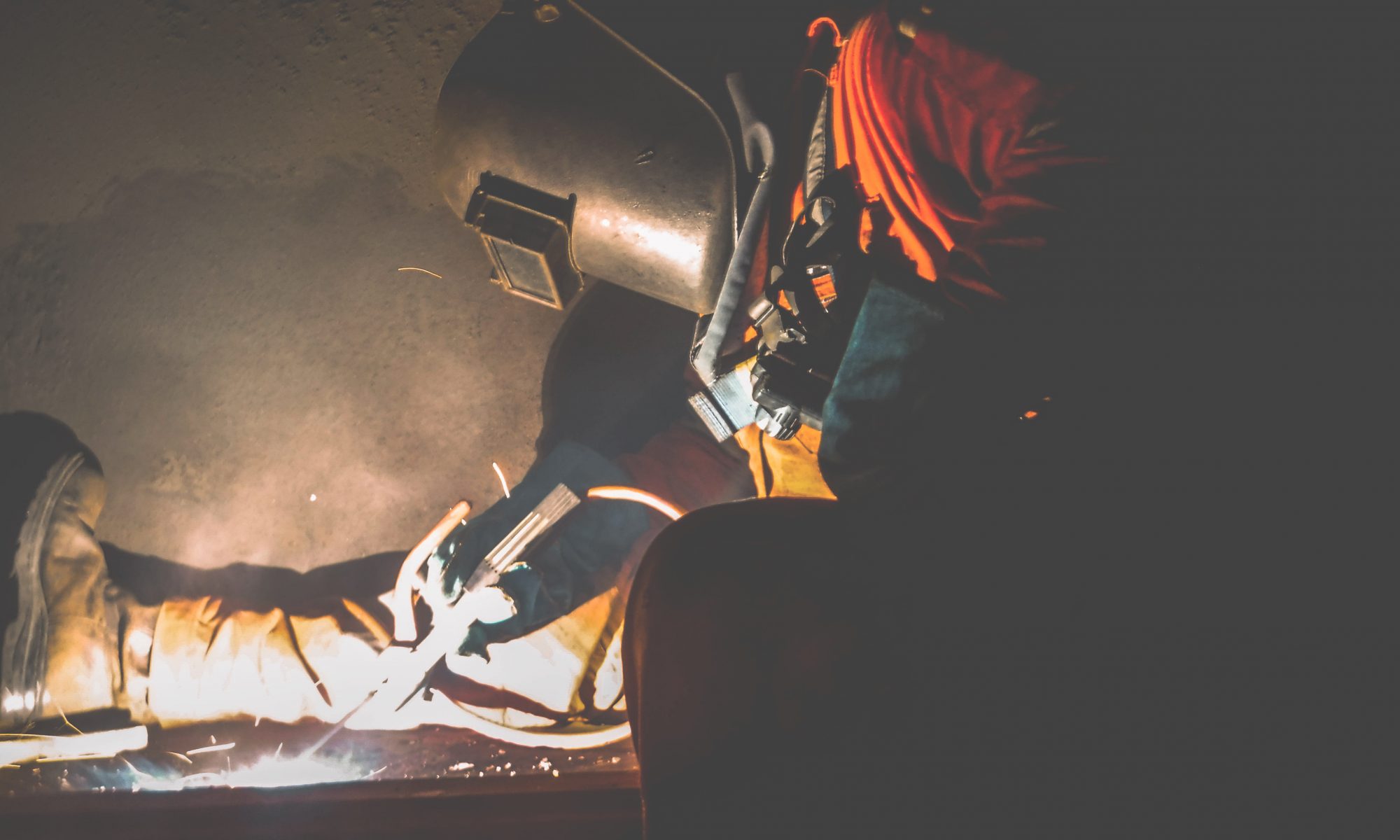
Welding involves joining metals or thermoplastics together with the use of heat. In most instances, the welding job required to build ships and repair metal parts and structures. Maritime welding job aims to produce joints that are watertight and oil-tight.
Welded joints, as opposed to riveted joints, reduce steel weight, and require less maintenance than riveted joints. Welding technology is crucial in the shipbuilding industry for producing smooth hull surfaces, reducing hull resistance and power needs.
What is the best-known welding method used?
Gas tungsten arc welding (GTAW) – An electric arc welding process that produces an arc between a non-consumable electrode and the work to be welded.
Gas metal arc welding (GMAW) – An electric arc is formed between the metal and a wire electrode, applying heat to the metal pieces. This action melts and fuses the parts together to form a permanent bond.
Why Is Welding Important to the Shipbuilding Industry?
Welding is critical for Offshore operations such as the construction of new projects and for the maintenance of existing facilities.
Welding is important in the shipbuilding process because it can create joints that are water and oil tight. As you can imagine, a strong weld is essential to the integrity of the ship. On one large ship, it can have hundreds of joints that require welding.
Shipbuilders face many challenges in the shipyard that could prevent progress and create downtime during operation. The need for durable equipment and an experienced welder that can address the demands of different applications is vital.



;?>/images/phone_icon.png) +65 6966 6027
+65 6966 6027;?>/images/fax.png) +65 6966 0437
+65 6966 0437;?>/images/message.png)
